
Common Mistakes in Vacuum Sealing (and How to Avoid Them)
Vacuum sealing is one of the most widely used preservation techniques, both in the food industry and at home. By reducing the presence of oxygen, it helps extend the shelf life of many products and better maintain their original qualities.
However, for the process to work correctly, it is important to avoid certain errors that could compromise the seal, the preservation of the food, or even its safety. In this post, we review some of the most frequent mistakes and explain how to avoid them, ensuring a safer and more effective process.
And if you would like to learn more about how this technique works, you can also check out our article on how to vacuum seal food at home.
Why is it important to vacuum seal correctly?
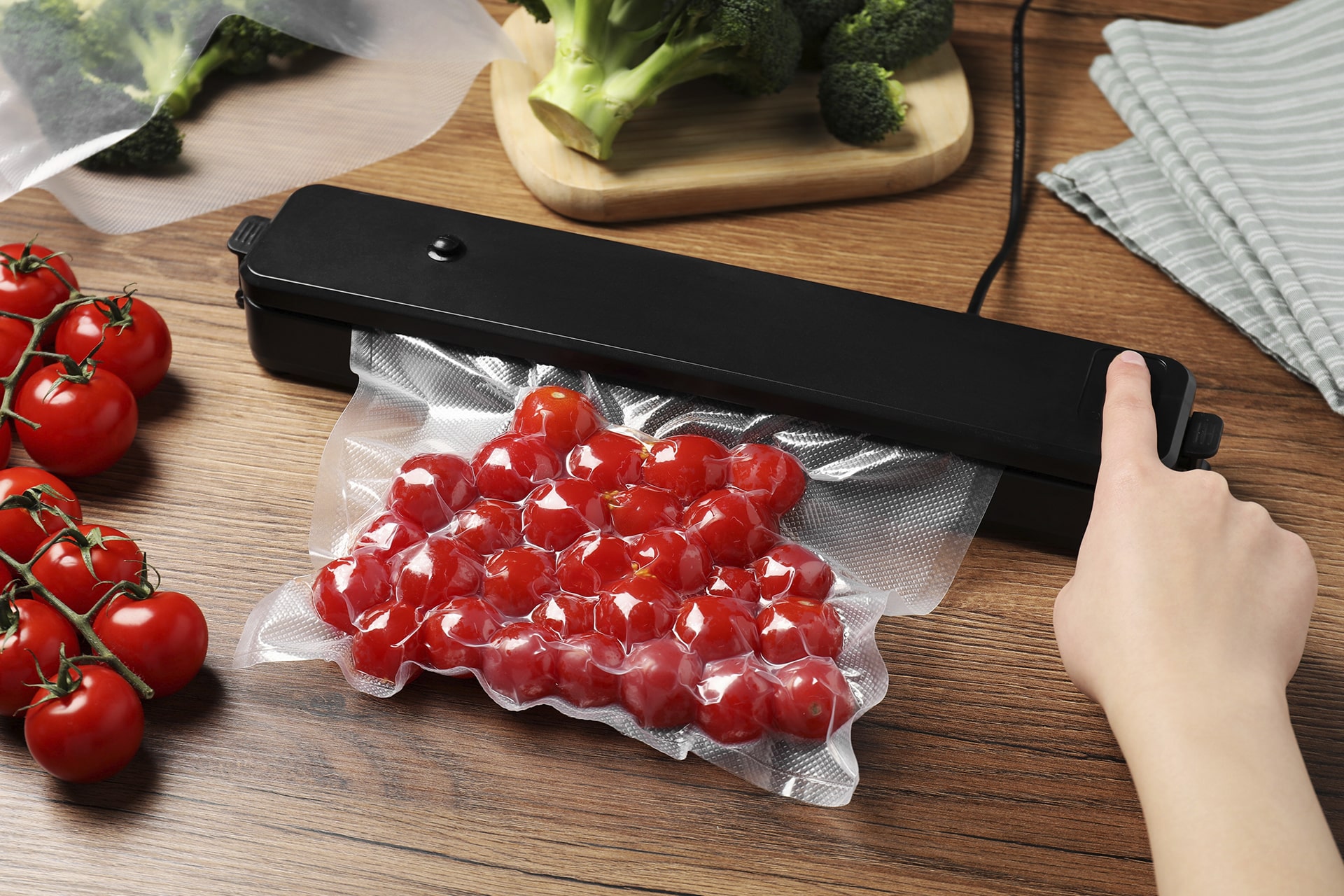
The goal of vacuum sealing is to remove the air from inside the package before sealing it hermetically. This helps slow down processes such as oxidation or the growth of certain microorganisms.
However, a vacuum alone does not guarantee proper preservation. “The final result also depends on factors such as:
- The type of packaging used.”
- The quality of the seal.
- The temperature of the product.
- Storage conditions.
- Hygiene during the process.
Therefore, avoiding mistakes during the process is essential to ensure the protection and preservation of the product. “
Mistake 1: Using unsuitable vacuum packaging
One of the most common errors is using bags or materials that are not specifically designed for vacuum sealing.” Not all packaging offers the same barrier properties or mechanical strength. “Using the wrong material can lead to:
- A gradual loss of the vacuum.”
- Tears or punctures.
- The ingress of oxygen or moisture.
- Preservation issues.
Therefore, it is important to choose vacuum packaging tailored to the specific product and its preservation requirements. For instance, when dealing with products that contain bones or sharp edges, materials with higher puncture resistance are typically used. “
Error 2: Not drying the product properly before vacuum packaging
Excess moisture can interfere with the sealing process and compromise preservation.” “Before vacuum packaging, it is advisable to:
- Dry the surface of the food.”
- Ensure there are no liquids in the area to be sealed.
- Keep the opening of the bag clean.
This is especially important for meat, fish, or refrigerated products. If any liquid or fat residue remains in the sealing area, the seal may not be completely airtight. “
Error 3: Overfilling the package
Another common mistake is placing too much product inside the bag.” “If insufficient space is left:
- Air extraction may be incomplete.”
- The seal may be less effective.
- The packaging may become deformed.
To avoid this, it is recommended to leave an adequate margin between the product and the sealing area, which facilitates proper air extraction and ensures a uniform seal. “
Error 4: Not controlling the temperature of the food
Temperature has a direct impact on the effectiveness of the vacuum packaging process.” Hot food generates steam inside the packaging, which can lead to condensation, loss of the vacuum seal, compromised preservation, or an increased microbiological risk.
For this reason, before vacuum-packaging, it is important to properly cool the product whenever necessary. Furthermore, vacuum-packaging does not eliminate the need to maintain the cold chain for perishable foods. “
Error 5: believing that vacuum-packaging eliminates all microorganisms”
One of the most significant misconceptions is the belief that vacuum packaging sterilizes a product. While the process reduces the presence of oxygen, it does not eliminate all microorganisms; some can still thrive in the absence of air if conditions are favorable. “
Therefore, it is essential to:
- Maintain proper hygiene throughout the process.”
- Handle food appropriately.
- Adhere to required storage temperatures.
Vacuum packaging helps extend shelf life, but it must be combined with sound handling and storage practices. “
Error 6: Using an unsuitable vacuum packaging machine
Not all equipment offers the same capabilities, nor is all equipment designed for the same purposes.” “Choosing an inadequate system can lead to:
- Insufficient air removal.”
- Unreliable seals.
- Inefficient workflows.
- Compatibility issues with the packaging.
Consequently, it is important to select equipment based on the type of product, the volume of work, the specific bags or materials used, and the required storage conditions. “
How to avoid errors when vacuum packaging
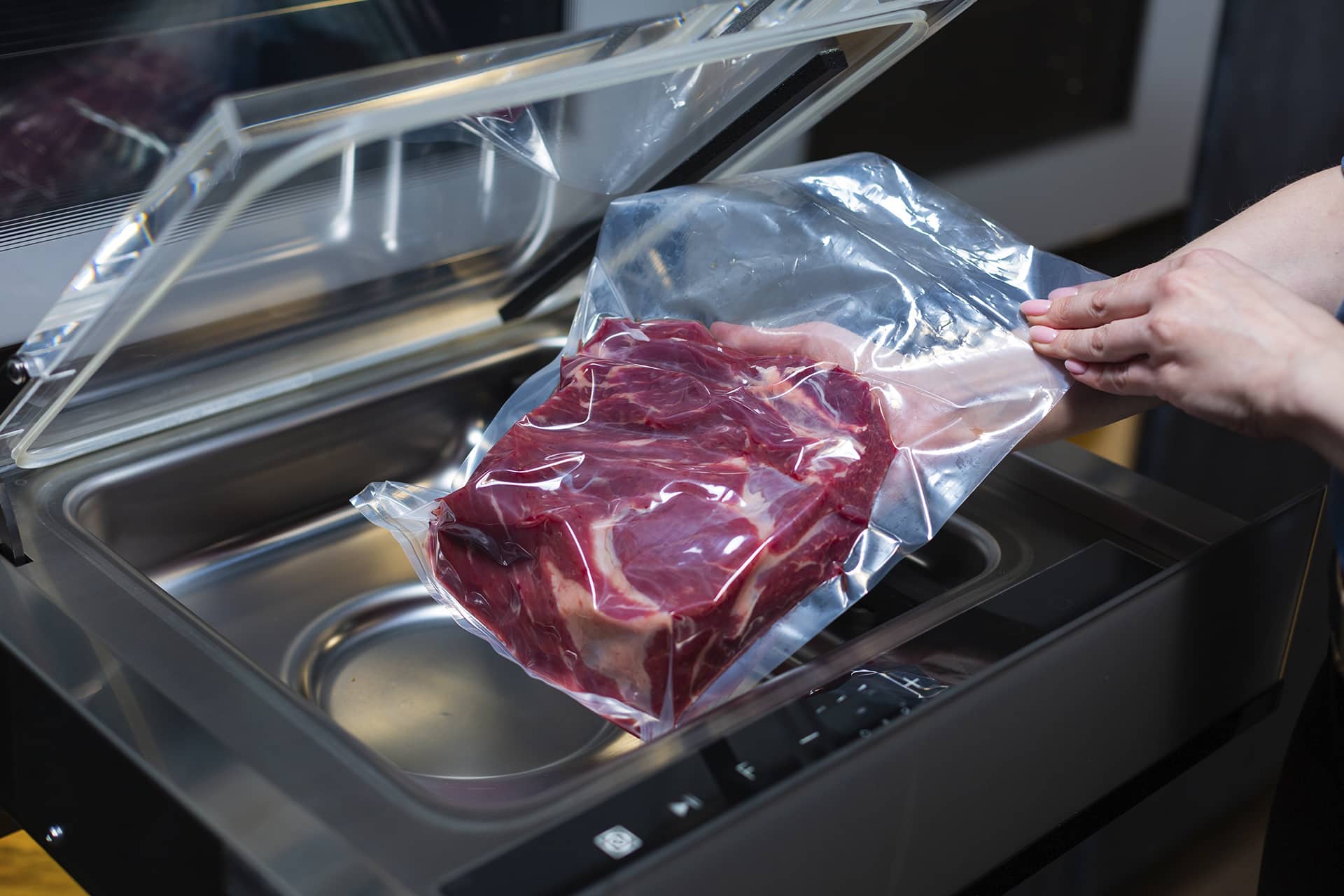
To ensure an effective and safe process, it is advisable to follow a few basic guidelines:
- Use appropriate materials; select bags and packaging structures specifically designed for vacuum sealing and tailored to the product.”
- Maintain proper hygiene to prevent contamination during handling and packaging.
- Always inspect the seal—ensure that the closure is uniform and completely airtight.
- Monitor temperature and storage conditions, especially for fresh or refrigerated food products.
- Match the packaging to the product, as not all food items require the same level of barrier protection or material strength. “
Advantages of vacuum packaging when done correctly
When the process is carried out properly, vacuum packaging offers multiple benefits:
- Extended product shelf life.”
- Reduced oxidation and loss of product properties.
- Better preservation of flavor and texture.
- Protection against moisture and external contamination.
- Optimized logistics and storage.
Towards more efficient vacuum packaging
Improvements in materials, barrier structures, and sealing systems allow vacuum packaging to continue evolving, offering increasingly efficient and secure processes.
Avoiding errors during the process not only improves product preservation but also helps reduce waste and ensures a better experience for the end consumer.
At Plásticos Arias, we develop vacuum packaging solutions tailored to the specific needs of each product, combining protection, functionality, and quality to ensure effective and secure packaging.
Related reading: Vacuum bags: how do they work? and How to vacuum-seal at home?.
We customize your orders according to your needs.
Request a no-obligation quote for any of our products.
 REQUEST A QUOTE