Flexible packaging: what it is, types and examples
Flexible packaging has become a key part of modern packaging. Its adaptability, low weight and efficiency make it a common choice in food, cosmetics, pharmaceuticals and many other industries. Below we explain what flexible packaging is, the main types available and where each format is used.
What is flexible packaging?
Flexible packaging is made from materials whose structure can bend or deform without breaking, such as plastics, laminates, paper or combinations of these materials. Unlike rigid containers, it adapts to the product and takes up less space during transport and storage, making logistics and handling more efficient.
Its main advantages include:
- Lower logistics costs thanks to reduced weight and volume.
- Better use of space on shelves, in warehouses and during transport.
- Efficient product preservation through structures designed for each product.
- Customisation and visual differentiation that strengthen brand identity.
Types of flexible packaging
Flexible packaging can be classified according to several criteria. The clearest way to understand the available options is by material and by shape or finish. This helps manufacturers choose the most suitable solution for the product, distribution process and target market.
Flexible packaging by material
The material determines resistance, protection and, in many cases, recyclability. The main options are:
- Mono-material packaging: made from a single type of plastic, generally polyethylene (PE) or polypropylene (PP). It is lightweight, resistant and can simplify recycling.
- Laminated flexible packaging: combines several layers, such as PET/PE, PA/PE or EVOH structures, to provide barriers against oxygen, moisture and light. It is ideal for sensitive foods and long shelf-life products.
- Metallised packaging: includes a metallised layer that protects against light and oxygen. It is commonly used for coffee, snacks and powdered products.
- Kraft packaging: combines kraft paper with an inner plastic layer to ensure tightness. It is suitable for dry, gourmet or artisan-style products.
- Biodegradable or compostable flexible packaging: made with materials designed to break down under specific controlled conditions.
This classification allows manufacturers to balance protection, presentation and sustainability requirements.
Flexible packaging by shape or finish
The format determines how the pack is displayed, handled and used by the consumer. Some designs improve visibility, while others facilitate dispensing, closing or upright presentation.
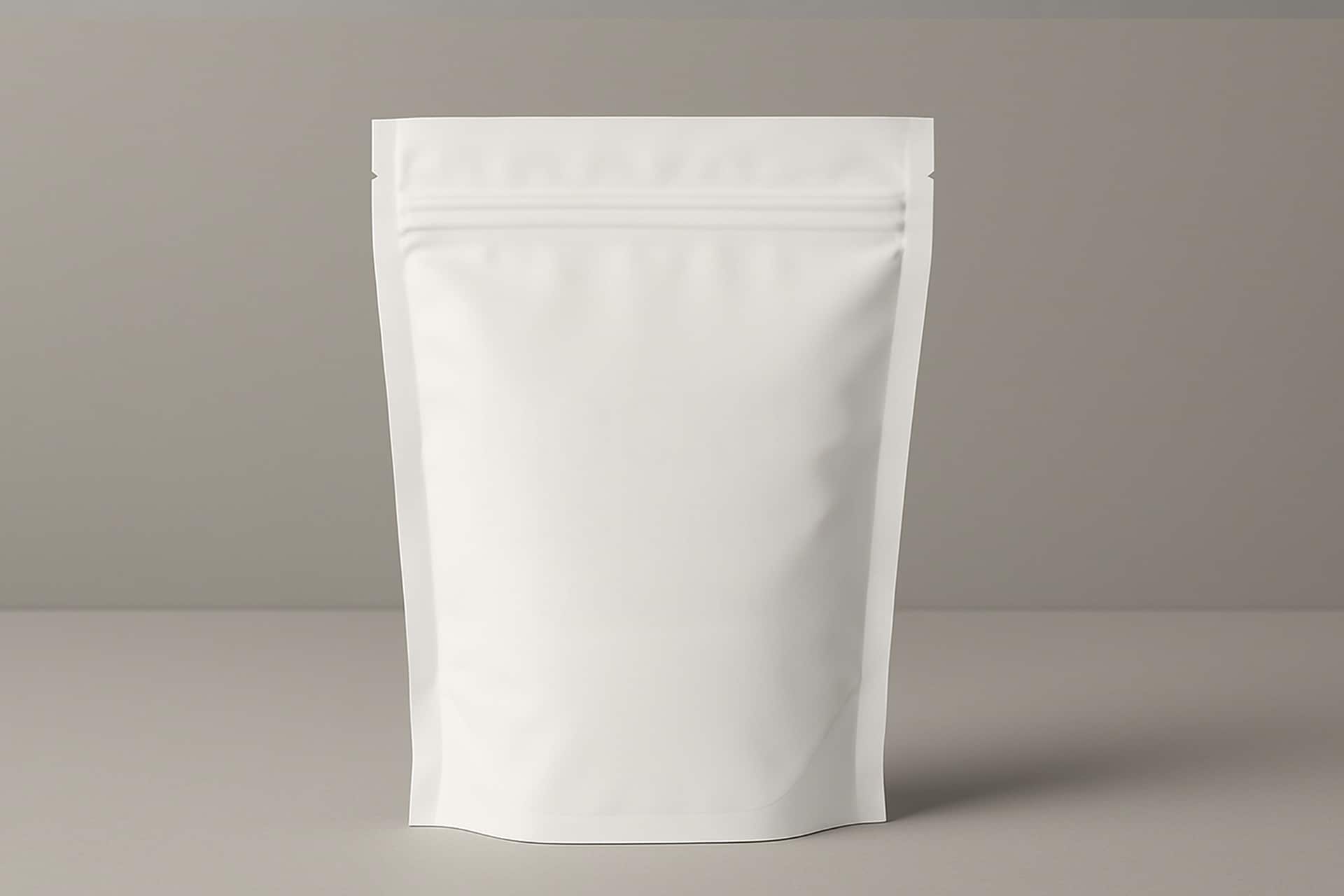
- Doypack pouches: stand-up packs with a stable base and optional zip, spout or heat-sealed closure, suitable for solids, liquids and powders.
- Flexible film: film used for wrapping, secondary packaging and multipacks.
- Thermoformed flexible packaging: shaped using heat to create trays or packs with more rigid walls.
- Transparent packaging or packs with a window: reveal all or part of the product and increase consumer confidence.
- Printed packaging: customised through different printing systems to differentiate the brand and improve shelf impact.
- Rigid, semi-rigid and flexible combinations: combine the protection of a tray or rigid base with a flexible lid or film.
Examples of flexible packaging
Flexible packaging is used in many sectors, including:
- Food: snacks, nuts, sauces, purées, coffee, frozen food and pet food.
- Cosmetics and personal care: creams, masks, gels and hygiene products.
- Cleaning products: liquid detergents, concentrates and multipurpose products.
- Nutrition and supplements: protein powders, shakes and vitamins.
Food packaging can also be combined with vacuum packing to extend shelf life and preserve the product’s properties for longer.
Benefits of flexible packaging

- Product protection against moisture, light and oxygen.
- Logistics optimisation through lightweight, compact formats.
- Lower material consumption and recyclable options for suitable structures.
- Brand differentiation through printing, finishes and customised formats.
- Versatility for liquids, solids, powders and sensitive products.
The future of flexible packaging
Flexible packaging will continue to evolve in response to market demands for sustainability, efficiency and differentiation. Innovations in materials, recyclable mono-material structures, compostable laminates and customised formats will help brands protect their products, improve the consumer experience and reduce environmental impact.
At Plásticos Arias, we develop flexible packaging solutions tailored to each project, combining protection, functionality and design. Our team helps industrial customers choose the materials, barriers, format and finish that best suit their product.
We customize your orders according to your needs.
Request a no-obligation quote for any of our products.
 REQUEST A QUOTE