
Thermoplastics and Thermosets: Differences, Examples, and Industrial Applications
In the plastics industry, there are two major families of materials used across a wide variety of processes and sectors: thermoplastics and thermosets.” Both types of polymers possess unique characteristics that make them suitable for different industrial applications. In this post, we take a closer look at them, exploring their key differences and most common applications. Shall we begin?
What Are Thermoplastics and Thermosets?
Thermoplastics and thermosets are two types of plastics made from polymers. However, despite sharing the same base material, they react very differently to heat. While thermoplastics can be repeatedly molded when heated, thermosets harden permanently after their initial molding.
What Are Thermoplastics?

Thermoplastic plastics (or simply thermoplastics) are polymers that soften or melt when heat is applied and harden again upon cooling. This process is reversible and can be repeated multiple times without the material losing its core properties, which allows for recycling and reuse. This flexibility makes them ideal for a wide range of applications, such as packaging and automotive components.
Some of the most commonly used thermoplastic polymers include:
- Polyethylene (PE), found in the plastic shopping bags we use every day.
- Polypropylene (PP), commonly used for bottle caps and certain food containers.
- Polystyrene (PS), used in packaging, disposable utensils, and insulation.
Where are thermoplastics used?
Thermoplastics are highly versatile materials, which is why they can be used in a wide range of sectors. “Some examples include:
- Packaging and containers: their ability to be easily molded makes them a popular choice for creating bottles and bags.”
- Automotive: they are used to manufacture lightweight, durable components, such as interior car parts.”
- Electronics: they are commonly used for electronic device casings—due to their durability—as well as for cable insulation.
What are thermosets?
Thermosetting plastics, or thermosets, are materials that—once molded and cured through heat or chemical agents—cannot be melted again. This is because they form a three-dimensional, cross-linked structure that prevents them from softening later.
They are extremely resistant to heat, corrosion, and wear, making them ideal for products that require high durability, such as electronic components and machinery parts.
Some of the most well-known thermosetting plastics include:
- Epoxy resins, which are used in adhesives and industrial coatings.
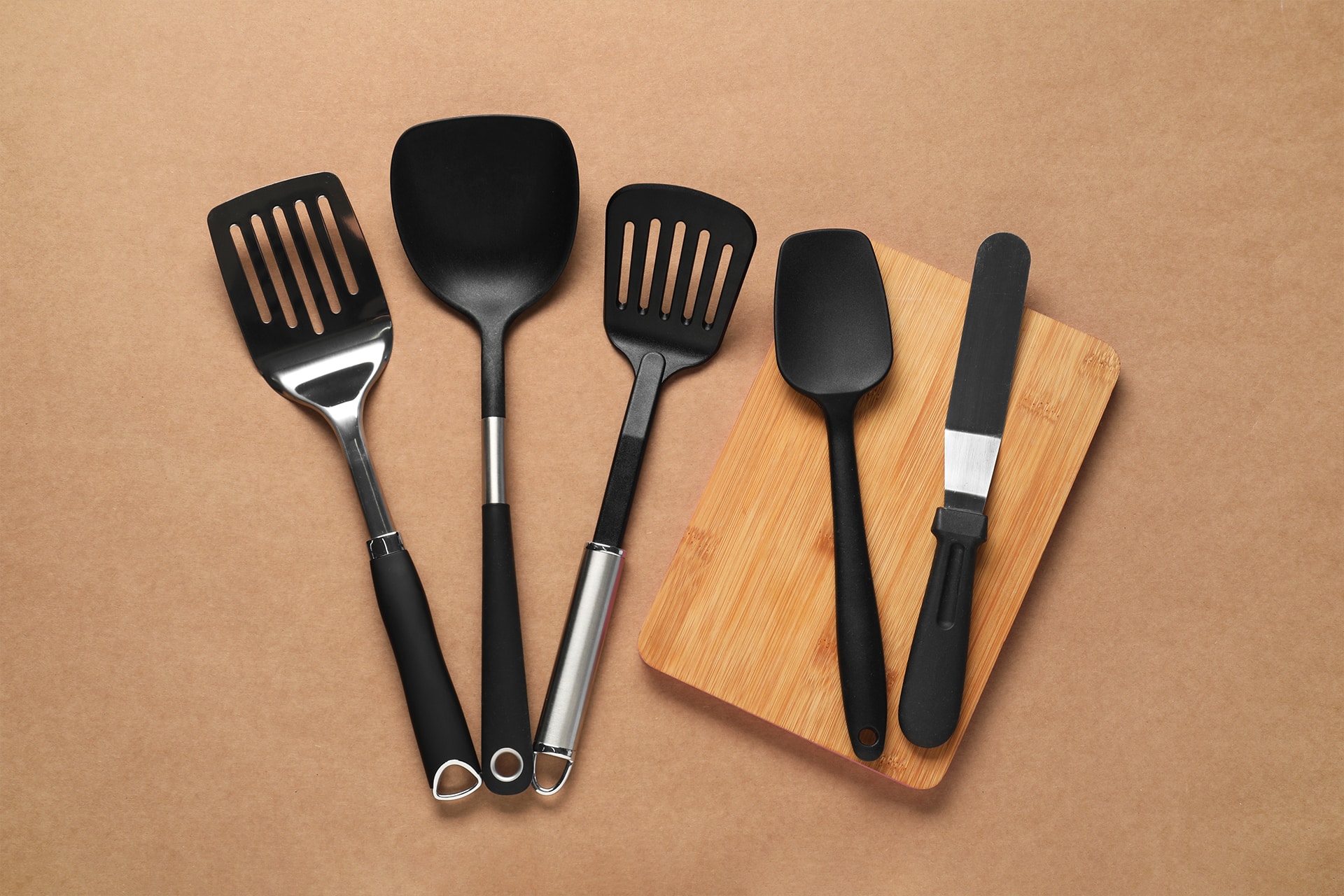
- Melamine, commonly found in kitchenware such as plates and cups.
- Polyester resins, used in casings, tanks, and automotive parts.
Where are thermosets used?
Thermosetting plastics are ideal for applications that require high thermal and chemical resistance, dimensional stability, and electrical or mechanical insulation. “Precisely for this reason, they are common in sectors such as:
- Electrical and electronics industry: they are perfect for manufacturing electronic circuits and other components that require high heat resistance and insulation.”
- Aeronautics and automotive: in the manufacturing of parts for aircraft and vehicles, where a material resistant to extreme temperatures is required.
- Construction: Thermosets are used in thermal insulation materials and in products that must withstand demanding conditions.”
Thermoplastics and thermosets: key differences
As we have seen, the main difference between thermoplastics and thermosets lies in how they behave when exposed to heat.” However, this is not the only way in which they differ.
Thermoplastics or thermosets—which should you choose?
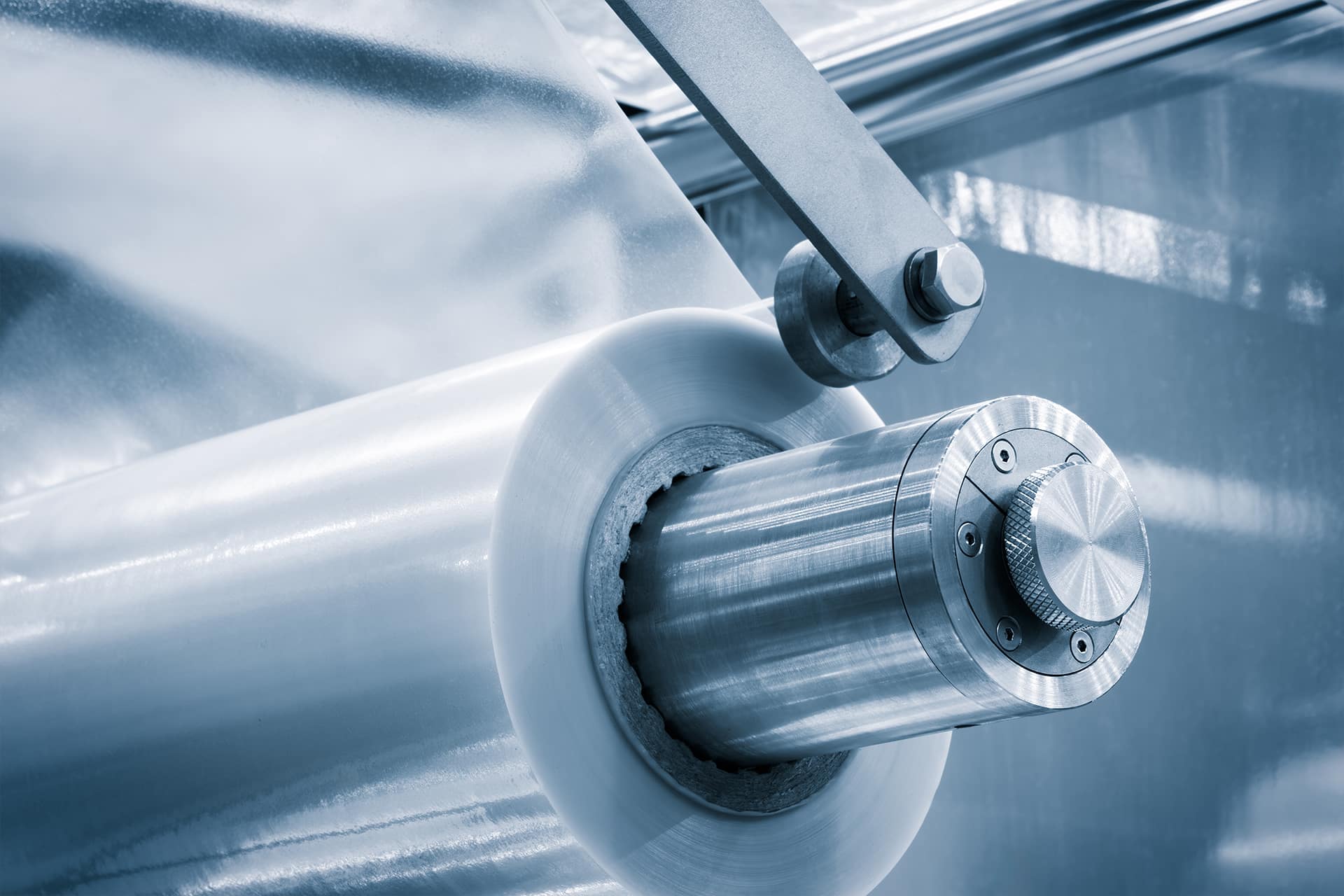
The choice between thermoplastics and thermosets depends on the type of product you wish to manufacture and your specific requirements. If you are looking for a material that is easy to mold, reusable, and highly recyclable, thermoplastics are the ideal choice. Furthermore, they are perfect for packaging, as they allow for the creation of lightweight and cost-effective products.
If, on the other hand, you need a durable material that maintains its shape under extreme temperature conditions and offers high abrasion resistance, then thermosets are what you need. These types of plastics are primarily used in applications where long-term durability and stability are a priority.
Moreover, in many industrial sectors, both types complement each other to provide comprehensive solutions; for example, a thermoset component can be coated with a thermoplastic to improve its finish or impact resistance.
Understanding the differences between thermoplastics and thermosets helps you select the right material for your manufacturing needs. Each offers unique advantages that can significantly impact the performance and sustainability of the final product.
At Plásticos Arias, we manufacture packaging tailored to your needs. Get in touch with us—we would be happy to help!
Related reading: What types of plastic are there? and The Plastic Manufacturing Process: A Step-by-Step Guide.
We customize your orders according to your needs.
Request a no-obligation quote for any of our products.
 REQUEST A QUOTE