
Compostable plastic: what it is and its main applications
Caring for the environment is becoming increasingly important in daily life and in the strategies of many companies. In this context, compostable plastic has emerged as one of the most promising alternatives to conventional plastics. But what exactly is this material, how does it differ from others, and what are its most common applications? In this post, we explore it in detail.
What is compostable plastic?
Compostable plastic is a material designed to break down under industrial or home composting conditions, turning into water, carbon dioxide, and biomass without leaving behind any toxic residues. In other words, it transforms into compost—a natural fertilizer that benefits the soil.
The most widely accepted definition is based on European and American standards (such as the EN 13432 standard). These certifications guarantee that the material meets specific degradation requirements and does not leave behind microplastics that could harm the environment.
Differences between biodegradable and compostable plastics
A common misconception is that “biodegradable” and “compostable” mean the same thing. “However, this is not the case:
- Biodegradable plastics: These break down through the action of microorganisms, but not necessarily under controlled conditions or within a specific timeframe.” Furthermore, some may leave behind harmful residues.
- Compostable plastics: These require specific composting conditions (such as the right humidity, temperature, and the presence of microorganisms) and break down within a relatively short period, resulting in high-quality compost.”
In short: all compostable plastics are biodegradable, but not all biodegradable materials are compostable.”
Compostable plastics: everyday examples
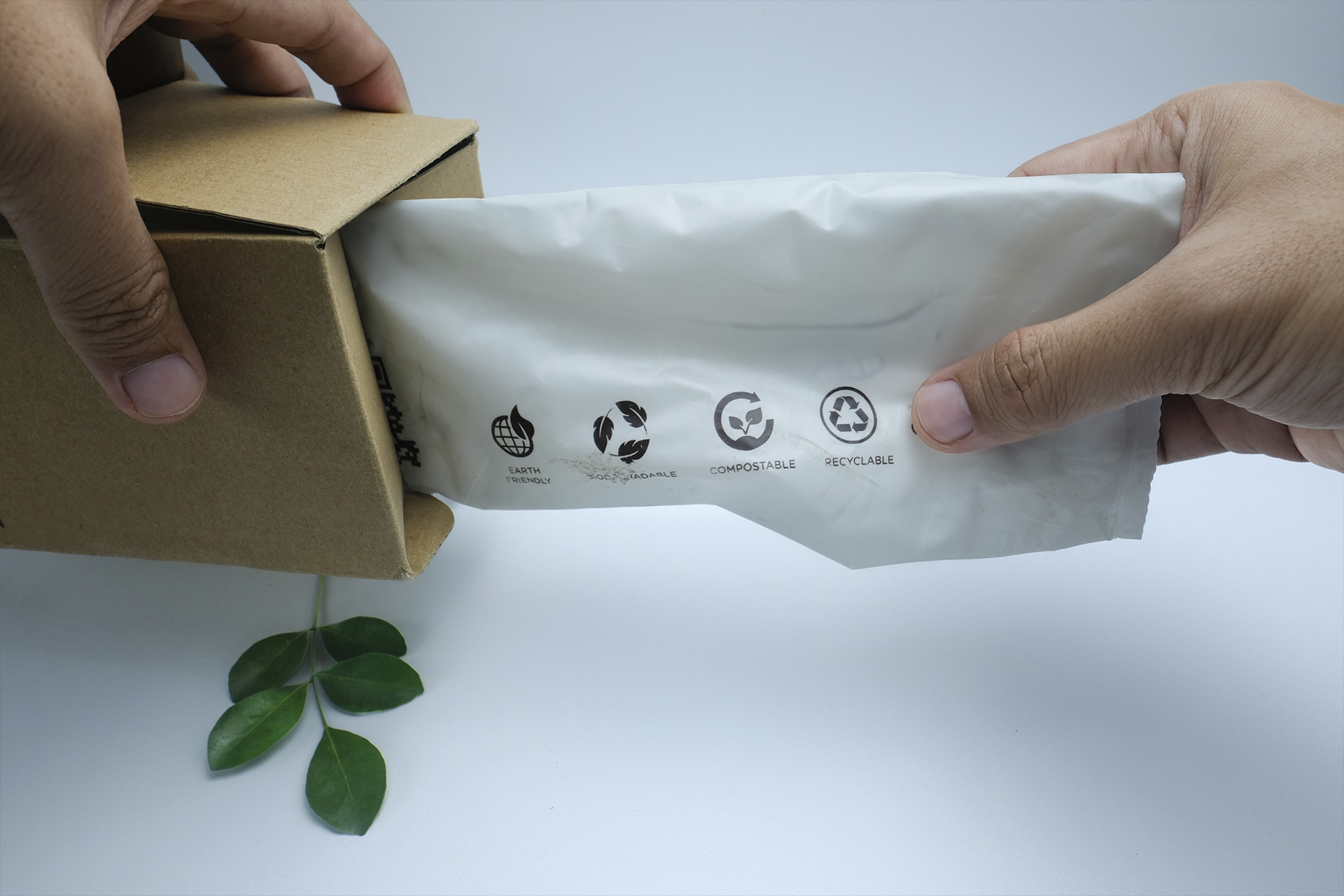
Looking for examples of compostable plastics, we find a wide variety of products that are already part of our daily lives:
- Compostable cutlery, plates, and cups for the hospitality industry and events.
- Plastic films for packaging fresh food.
- Compostable coffee pods, designed to break down in home composting systems.
- Wrappers for fruits and vegetables, which reduce the use of conventional plastics.
These products offer the same functionality as traditional plastics, with the added benefit that their end-of-life stage contributes to environmental care.
Compostable plastic bags: a sustainable alternative
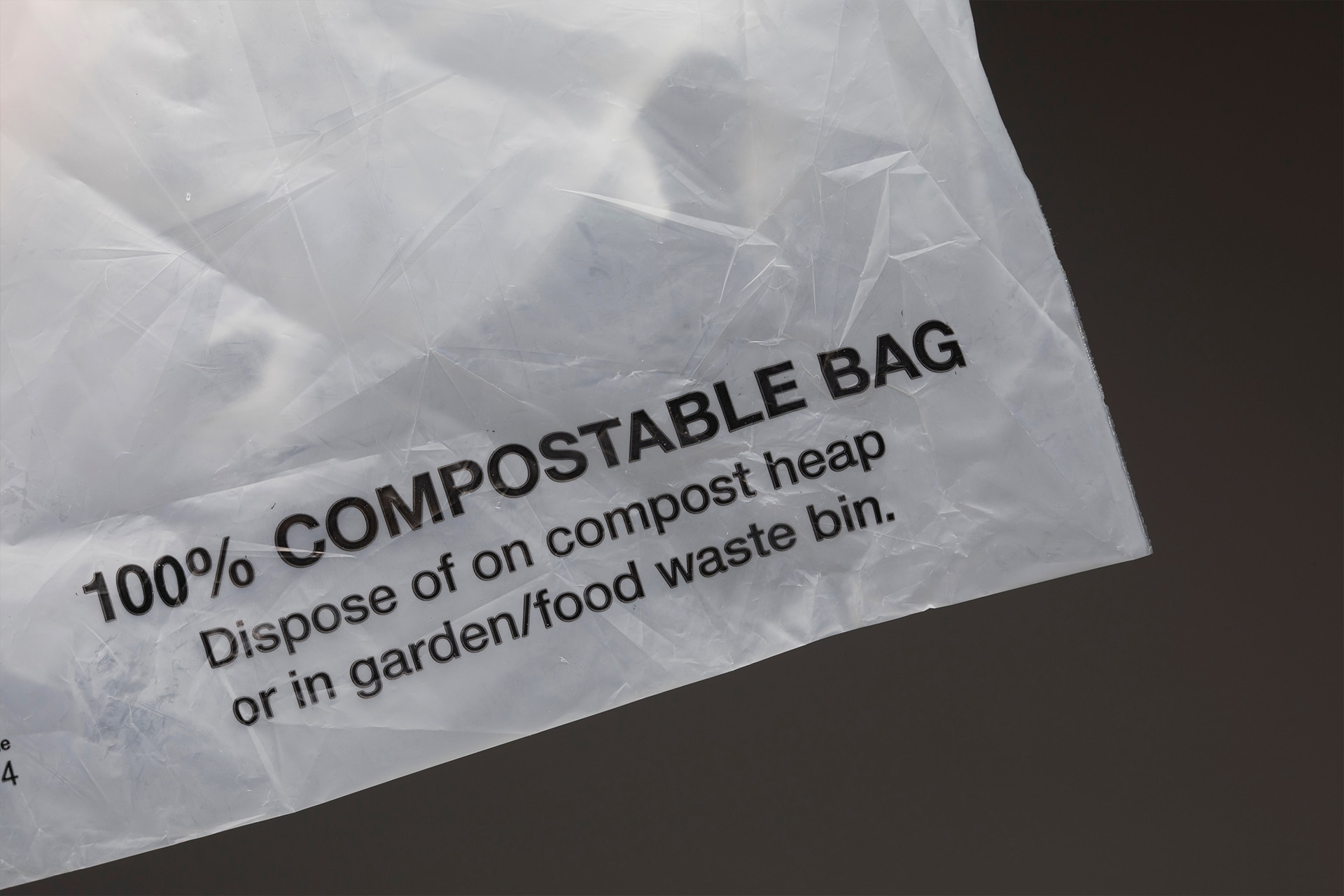
Compostable plastic bags are one of the most widespread uses for this material.” They are made from corn starch, sugarcane, or other renewable resources and are designed to break down alongside organic waste.
Many supermarkets now offer these compostable plastic bags for carrying fruits, vegetables, or bread. In some Spanish municipalities, they are even mandatory for the collection of organic waste, as they facilitate the composting process at municipal facilities.
Unlike conventional bags, compostable plastic bags do not take centuries to disappear; instead, they can turn into compost in just a few weeks.
Applications of compostable plastics across various sectors
The use of compostable plastics is not limited to the home. “Its reach has expanded into various sectors:
- Food industry: containers, trays, and wrappers that protect products without generating harmful waste.”
- Agriculture: compostable mulch films that integrate into the soil after cultivation.”
- Hospitality and catering: disposable tableware and containers for food delivery.”
- Fashion and retail: packaging and bags for clothing, footwear, and other products.
- Coffee and beverages: compostable straws, lids, and capsules.
Thanks to these applications, compostable plastic is emerging as a real and viable alternative in various aspects of daily life.
Advantages and challenges of using compostable plastics
Adopting the use of compostable plastics brings with it a number of benefits and challenges worth noting:
Advantages
- Reduction of long-lasting plastic waste.
- Lower carbon footprint, as they are produced from renewable resources.
- Compatibility with industrial—and, in some cases, home—composting systems.
- Growing acceptance among consumers and within environmental regulations.
Challenges
- Higher production costs compared to conventional plastic.
- Confusion with other terms, such as “biodegradable,” which can lead to misuse.
- The need for adequate composting infrastructure to ensure complete decomposition.
These challenges mean that, while compostable plastic is a promising solution, it still requires a collective effort from businesses, governments, and citizens.
Compostable plastics: a solution for a more sustainable future
Compostable plastics represent a step forward in the transition toward a more responsible consumption model and serve as a key tool for reducing environmental impact across diverse sectors, such as food, agriculture, and retail.
The use of compostable plastic bags, packaging, and similar products demonstrates that it is possible to maintain the convenience and functionality of plastics. The key lies in understanding what compostable plastics are, how to use them correctly, and what applications they have in our daily lives. In this way, we can actively contribute to building a cleaner and more sustainable environment.
Related reading: Sustainable Packaging: Materials, Benefits, and Examples and Sustainable Flexible Packaging.
We customize your orders according to your needs.
Request a no-obligation quote for any of our products.
 REQUEST A QUOTE