
Sustainable Packaging: Materials, Benefits, and Examples
The environmental impact of packaging has led many companies, such as Arias Envases Flexibles, to seek more eco-friendly alternatives. Sustainable packaging has become a key solution for reducing waste, minimizing carbon footprints, and promoting a circular economy. In this article, we will explore what sustainable packaging is, the materials used to create it, and how it is transforming sectors such as food and cosmetics.
What Is Sustainable Packaging?
Sustainable packaging is designed to minimize its environmental impact throughout its entire life cycle. This involves using recyclable, biodegradable, or compostable materials, reducing the resources required for manufacturing, and ensuring the packaging can be reused or recycled. “For packaging to be considered sustainable, it must adhere to several fundamental principles:
- Eco-efficiency: It must utilize resources and energy efficiently during production.”
- Recyclability and reusability: It must be capable of being recycled or reused after its initial use.”
- Biodegradability: It can break down under natural conditions without creating polluting waste.”
- Waste reduction: It decreases the volume of waste generated.
Commonly Used Materials in Sustainable Packaging Design
The development of sustainable packaging has been made possible by the emergence of a wide variety of innovative, environmentally friendly materials. “Some of the most common include:
Complex films
These are multilayer structures designed to improve food preservation, providing effective barriers against moisture and oxygen.” In their sustainable version, these films are made from recyclable monomaterials, facilitating their integration into the circular economy.
Sustainable thermoformed materials
Used for trays and rigid packaging for fresh products, these materials help reduce plastic usage without compromising food safety. They are designed to be recyclable and can contain a high percentage of recycled material in their composition.
Low-gauge vacuum packaging bags
These bags are optimized to use less material without compromising food protection, thereby extending shelf life and reducing food waste. Furthermore, many are developed using technologies that allow for their recycling at the end of their life cycle.
Compostable packaging
Made from plant-based materials, such as biodegradable resins, this compostable packaging can break down under the right conditions without leaving behind polluting residues.
Sustainable food packaging
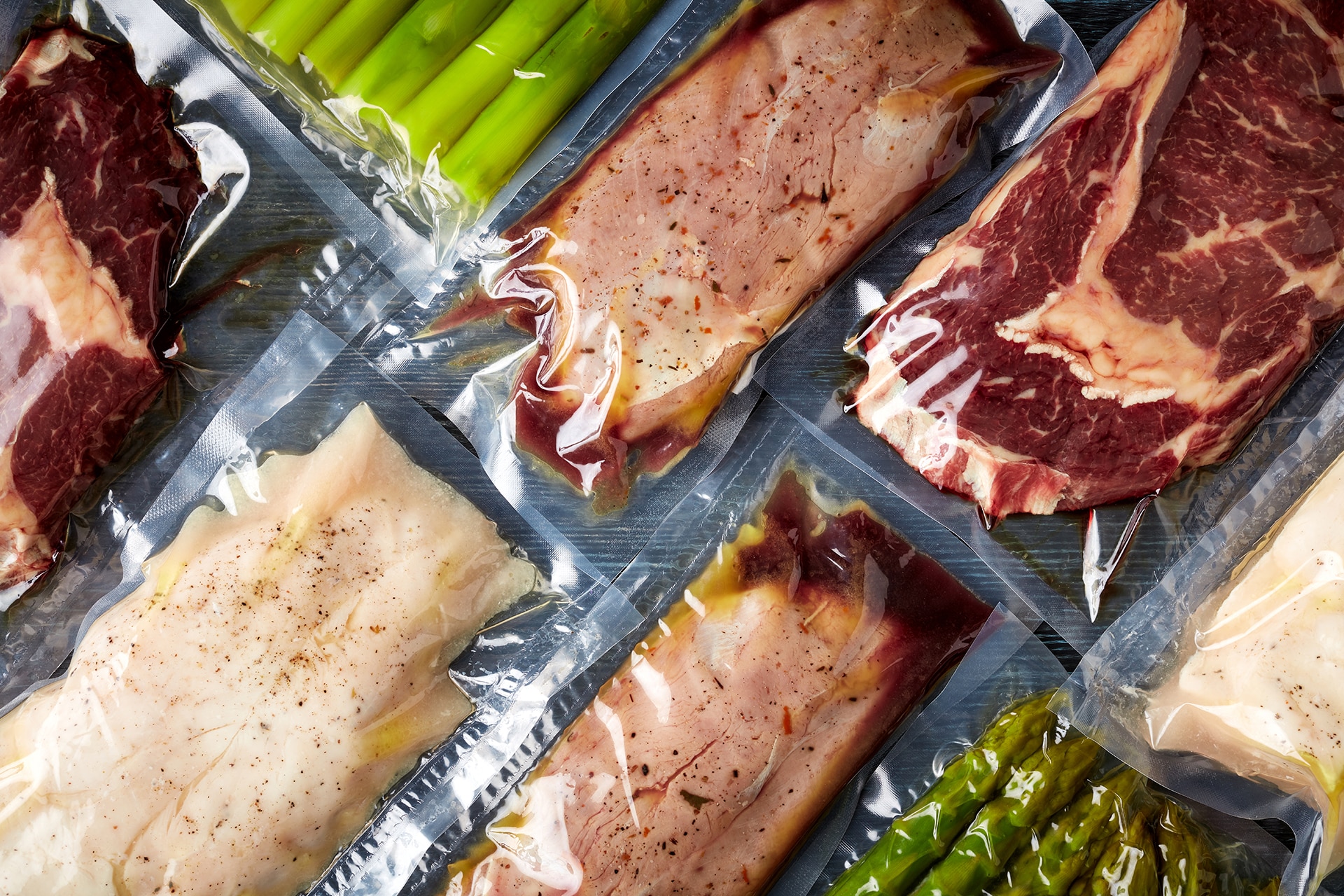
The food sector has made significant progress in adopting sustainable packaging to reduce its environmental impact. “Examples include:
- Recyclable barrier films: ideal for preserving fresh food, maintaining its quality, and reducing food waste.”
- Sustainable thermoformed packaging: made from recyclable materials that ensure food safety while reducing environmental impact.”
- High-efficiency vacuum bags: optimized to extend the shelf life of food, reducing the need for preservatives and minimizing waste.
Sustainable packaging for cosmetics and other sectors
In other sectors—such as pharmaceuticals, cosmetics, and chemicals—innovation in plastic packaging has been key to providing more environmentally responsible solutions. “Some of the main trends include:
- Recyclable flexible films: used for cosmetic product packaging that requires high protection against moisture and other external factors.”
- Monomaterial plastic packaging: enables more efficient recycling, aligns with environmental regulations, and promotes a circular economy.”
- Packaging solutions with reduced thickness (lower micron gauge): decrease the amount of plastic used without compromising product safety or efficacy.”
Benefits of sustainable packaging
The use of sustainable packaging offers multiple benefits for companies, consumers, and the environment alike:
- Reduced environmental impact through lower waste generation and less pollution.
- Conservation of natural resources by using recycled and renewable materials.
- Smaller carbon footprint, achieved by optimizing transport and production processes.
- Enhanced brand image for companies committed to sustainability.
- Promotion of a circular economy by encouraging the recycling and reuse of materials.
- Compliance with regulations that are becoming increasingly restrictive regarding the use of non-recyclable plastics.
Ecovalente: Arias Envases Flexibles’ commitment to sustainability
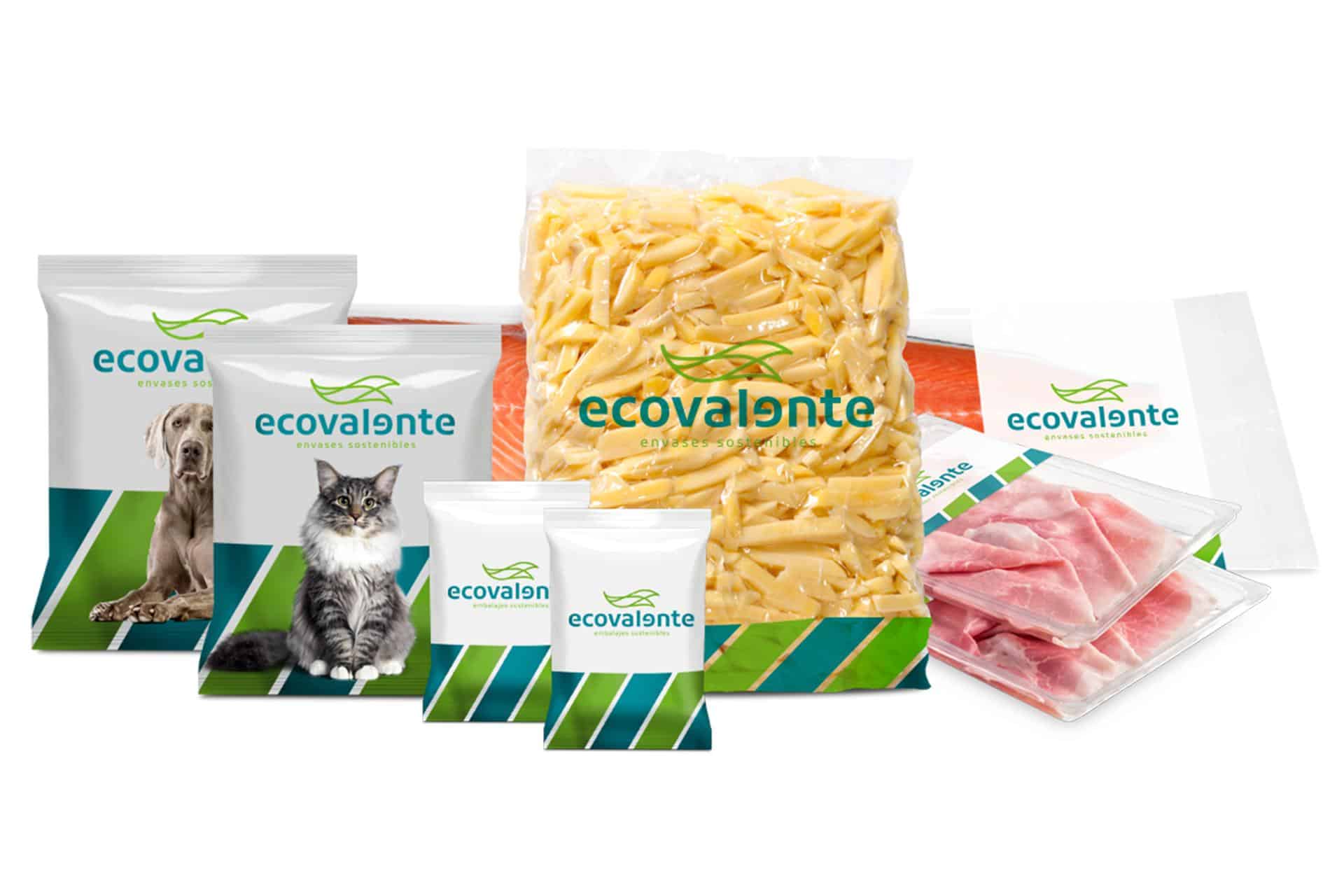
At Arias Envases Flexibles, sustainability is a core pillar.” For this reason, we have developed “Ecovalente”—a line of sustainable packaging designed to reduce environmental impact without compromising quality or functionality. This product range is manufactured using recyclable and biodegradable materials, supporting a greener future for the packaging sector.
Furthermore, at Arias Envases Flexibles, we have focused on reducing the gauge (thickness) of our plastics, enabling the production of lighter packaging that uses less material without compromising protective or preservation capabilities.
Another key aspect of this initiative is the use of mono-materials, which improves recycling efficiency and facilitates integration into reuse processes. This packaging is designed according to the “ready to recycle” concept, ensuring compliance with current environmental regulations and contributing to more efficient waste management.
Driven by our commitment to innovation and sustainability, we continue to develop environmentally friendly packaging solutions, fostering a more responsible industry that aligns with the principles of the circular economy.
Related reading: Sustainable Flexible Packaging and Trends in Sustainable Packaging for 2025.
We customize your orders according to your needs.
Request a no-obligation quote for any of our products.
 REQUEST A QUOTE