
Freezer bags: tips for perfect preservation
Freezing is one of the best ways to preserve food, keeping it fresh for long periods. However, the success of this technique depends largely on the type of freezer bag you use. Not all bags are the same, and choosing the right one can make a significant difference. In this post, we’ll explain how to choose the best freezer bags for your food and share some tips to ensure perfect results.
The importance of freezer bags for food preservation
Freezer bags are more than just simple containers; they are specifically designed to protect food from dehydration and the formation of frost—what we call “freezer burn.” These bags create an effective barrier against air and moisture, the two main culprits behind the loss of quality in frozen food. Using the wrong type of bag—such as standard, thin plastic bags—can result in food that is dry, flavorless, or even spoiled.
How to choose the right freezer bags
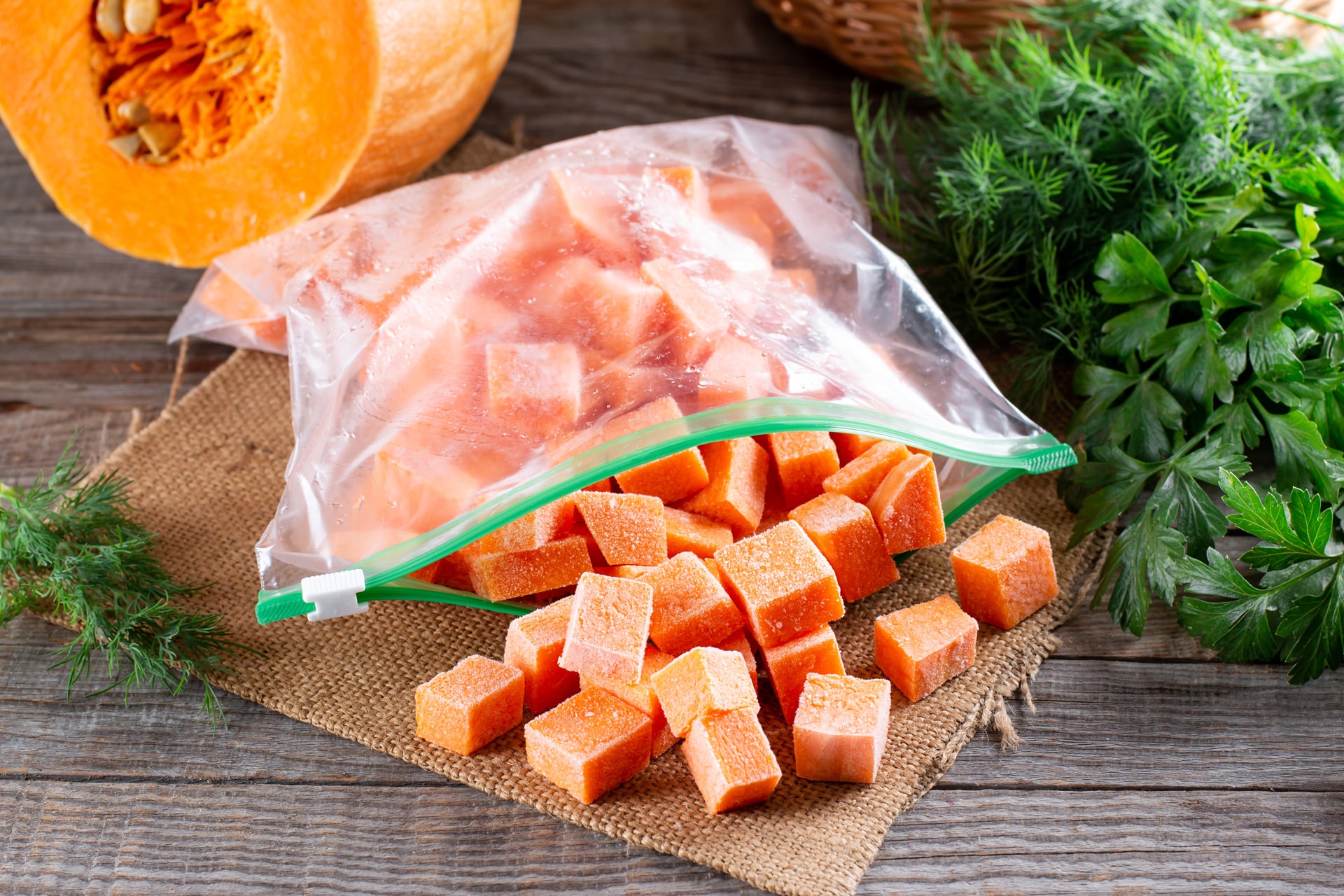
To ensure proper preservation, it is crucial to choose the right freezer-safe packaging. Here are a few factors to consider before deciding on a particular type of bag.
Plastic thickness
Freezer bags should be thicker than conventional plastic bags. This ensures they can withstand extreme cold without tearing or wearing down, providing better protection for your food. Co-extruded vacuum bags, which consist of multiple layers of plastic, are an excellent choice, as they offer superior durability.
Airtightness
An airtight seal is essential to prevent air from entering, as oxygen is a primary factor in the deterioration of frozen foods. For optimal preservation, choose bags with a zip-lock closure or those that can be sealed using a vacuum-sealing machine.
Appropriate size
It is important to use freezer bags of the correct size, ensuring there is enough space to seal them properly without crushing the food. Conversely, overfilling the bags should be avoided, as it can prevent an effective seal and allow air to get in.
Tips for proper storage in freezer bags
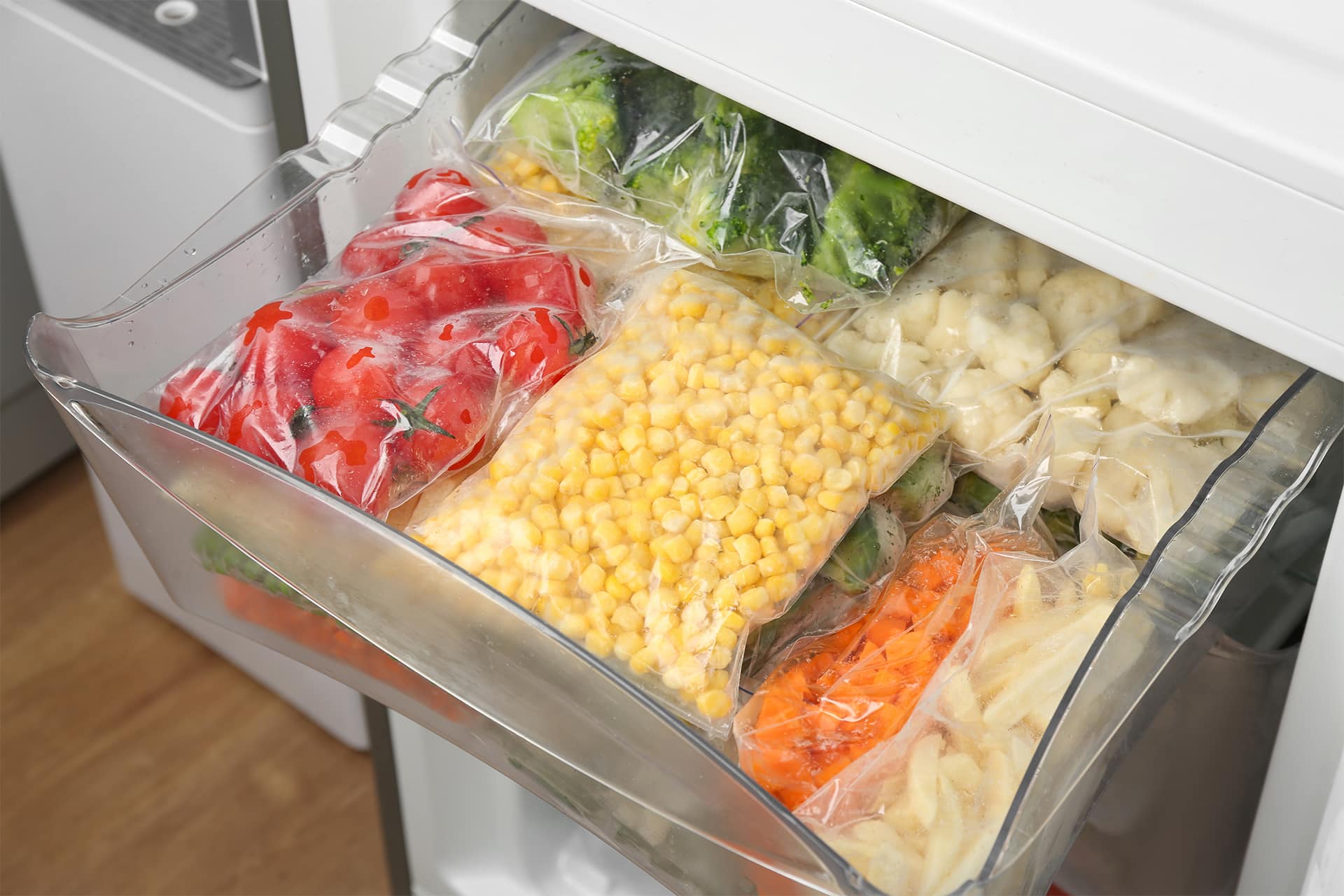
Choosing the right bags is only part of the process. Here are some tips to ensure your food remains in perfect condition while frozen.
Remove air from the bag
One of the most important steps when freezing food is to remove as much air as possible from the bag before sealing it. Air trapped inside the bag is what causes freezer burn. If you do not have a vacuum-sealing machine, you can do this manually by gently pressing on the bag before closing it, pushing the air out toward the opening.
Portion your food
Freezing food in portions is an excellent way to save space and reduce waste. Smaller portions also thaw more quickly and make meal preparation easier. This is especially useful for meats, fruits, vegetables, and items like bread.
Use labels and dates
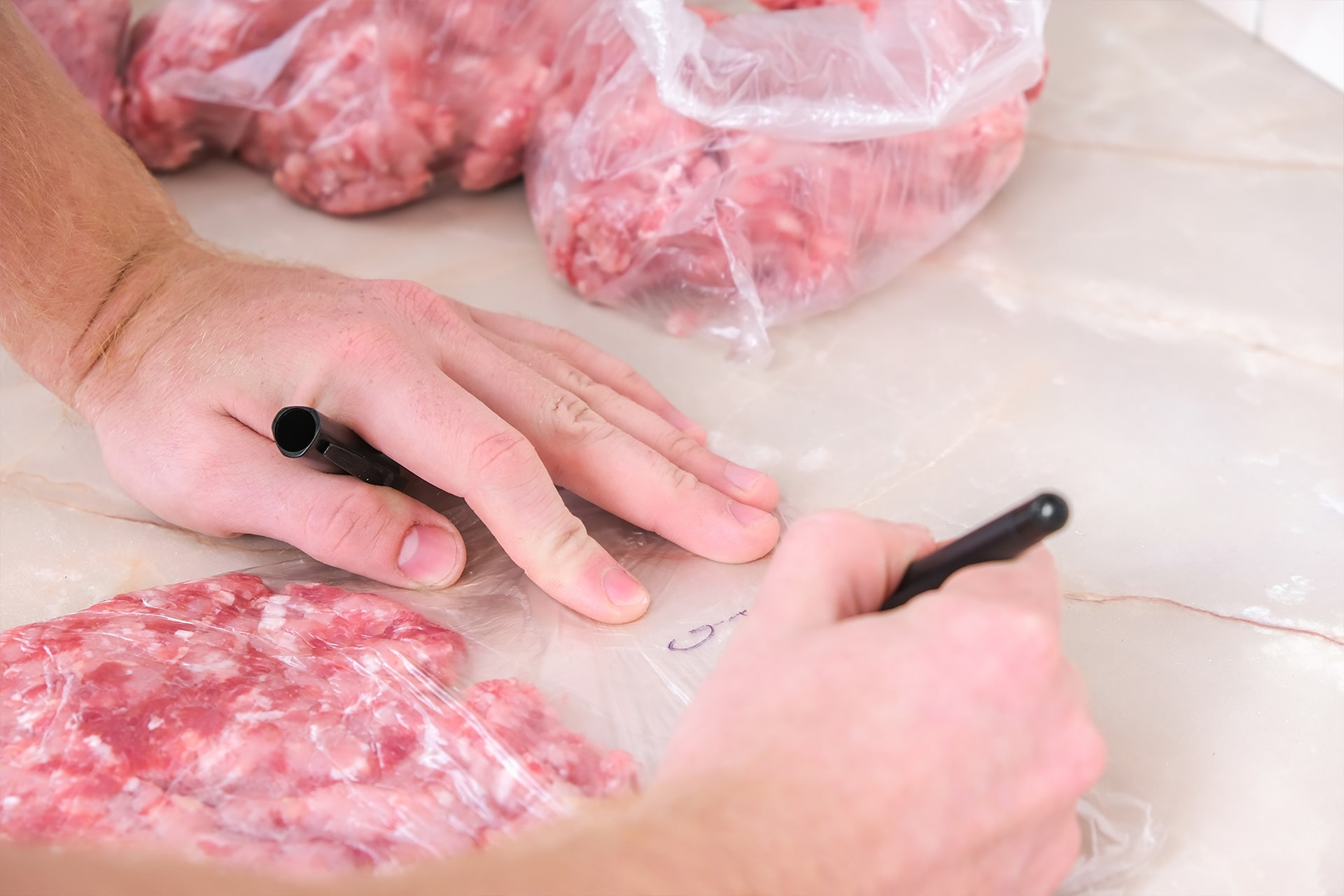
Don’t forget to label each bag with the type of food and the date it was frozen. Although frozen foods have a long shelf life, it is important to know how long they have been stored so you can consume them at their best. Clear labels will help you keep an accurate track of how long items have been in the freezer.
How long do foods last in freezer bags?
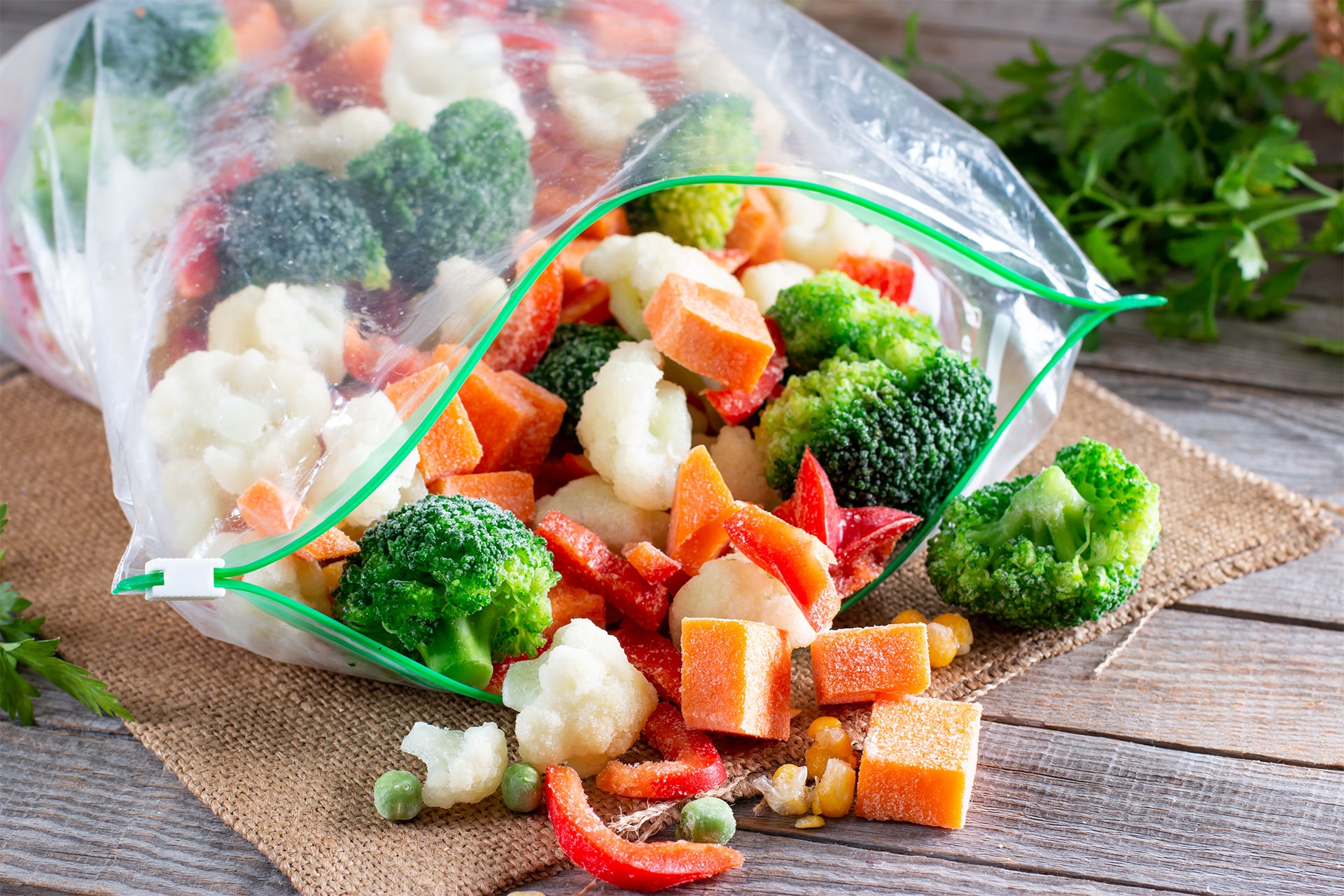
The shelf life of frozen foods varies depending on the type of product, but using the right freezer bags can significantly extend how long they last. “Here is a guide:
- Raw meat: 6 to 12 months.”
- Raw fish: 3 to 6 months.”
- Vegetables: 8 to 12 months.”
- Bread and baked goods: up to 6 months.”
- Fruit: 6 to 12 months.
Keep in mind that these timeframes are approximate; for the best quality, it is recommended to consume frozen foods within these ranges.
Common mistakes when using freezer bags—and how to avoid them
While freezing food may seem simple, there are some common pitfalls to avoid to ensure effective preservation.
Overfilling the bags
One of the most frequent mistakes is overfilling freezer bags. This prevents them from closing airtight, allowing air to get in. Always leave some space in the bag so it can be sealed properly.
Not removing the air
Another common mistake is failing to remove enough air from the bags before sealing them. Although a small amount of air might seem harmless, it is actually enough to cause freezer burn.
Not labeling the food
It is easy to forget when you froze something, and without a clear label, you might end up eating food past its optimal storage period. Labeling your bags with the contents and the date they were frozen is an essential step.
Using the wrong type of bags
Using regular plastic bags for freezing is another common mistake. These bags are not designed to withstand extreme cold and allow air to enter, which can damage the food. Invest in high-quality freezer bags to avoid such issues.
With these tips and tricks, you can ensure that your food stays in perfect condition in the freezer—preventing waste and allowing you to enjoy meals that are always fresh and full of flavor.
Related reading: Vacuum bags: how do they work? and Food packaging: types, benefits and industry examples.
We customize your orders according to your needs.
Request a no-obligation quote for any of our products.
 REQUEST A QUOTE