
How is plastic recycled?
Plastic recycling has become an essential practice for reducing the environmental impact of a material that is so present in our daily lives. Although the advantages of plastic packaging are undeniable, its use also generates large amounts of waste. Understanding how plastic is recycled and the various methods involved can help us make more responsible use of this resource. We explain it in this post!
How is plastic recycled, and what is the goal?
The primary goal of recycling plastic is to reduce the amount of plastic waste that ends up in landfills or in the environment. Millions of tons of plastic are produced every year, and a large portion is discarded quickly, which harms biodiversity and takes up space in landfills.
Recycling allows this material to be reused in new products, thereby reducing the demand for “virgin” plastics—those produced directly from petroleum or natural gas. In this way, natural resources are conserved, greenhouse gas emissions are lowered, and pollution in terrestrial and marine ecosystems is limited.
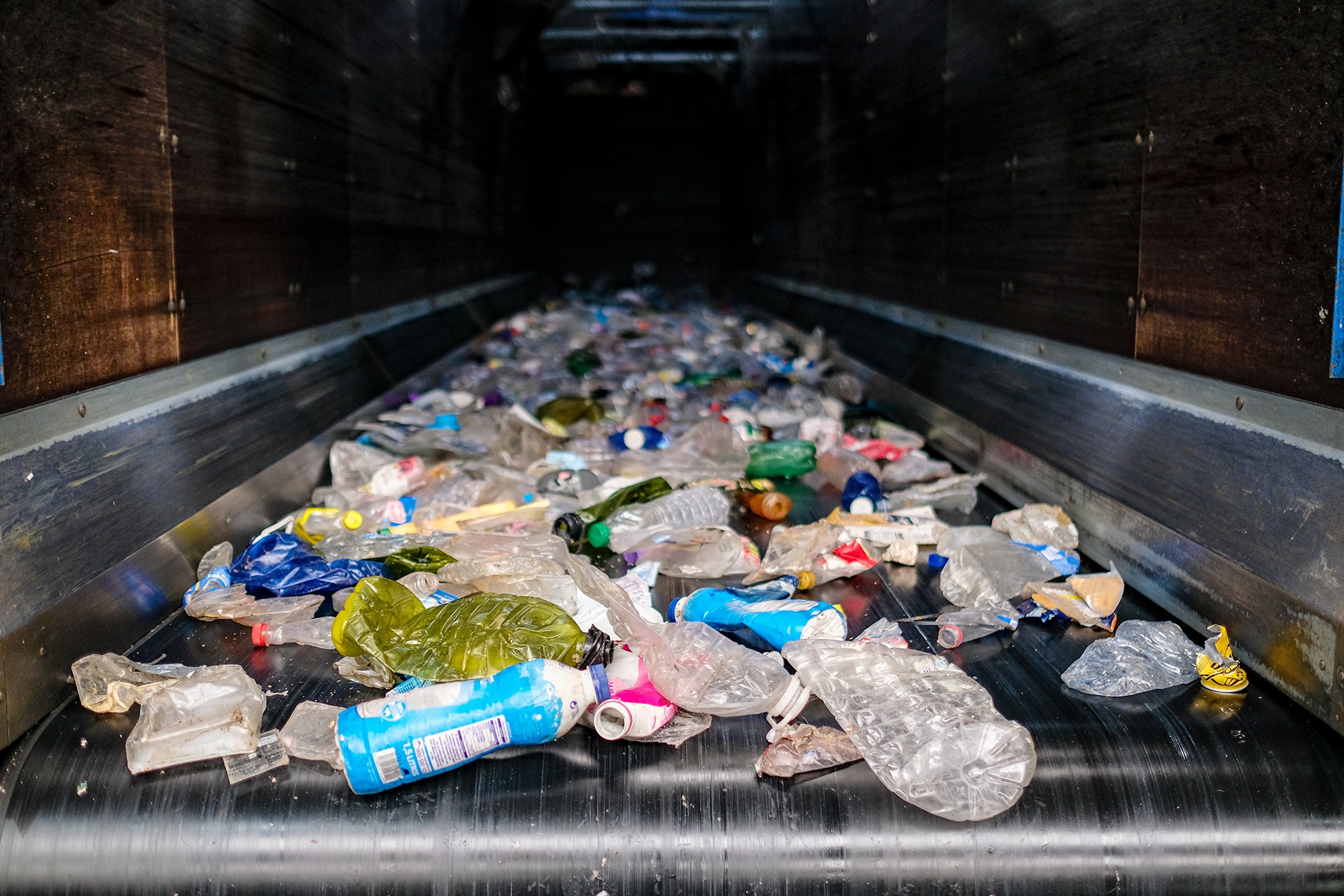
How is plastic recycled according to the recycling code?
To facilitate recycling, plastics are classified according to a recycling code—a number from 1 to 7 printed on the packaging. This classification helps recyclers identify the type of plastic and select the appropriate recycling process. “Below, we outline the most common types:
PET (Type 1): Polyethylene Terephthalate
This type of plastic is commonly found in beverage bottles and food containers.” It is one of the easiest plastics to recycle and can be transformed into textile fibers, new containers, and other products.
HDPE (Type 2): High-Density Polyethylene
Used for detergent bottles and some food containers, HDPE is a durable material that is easy to recycle.” Once processed, it can be turned into new bottles, pipes, and construction materials.
PVC (Type 3): Polyvinyl Chloride
PVC is used in pipes, window frames, and some bottles.” Although it is recyclable, the process is complex because it can release toxic substances as it breaks down; therefore, it must be recycled in specialized facilities.
LDPE (Type 4): Low-Density Polyethylene
Commonly used for plastic shopping bags, this material is recyclable and can be turned into new bags or plastic sheeting for various purposes.”
PP (Type 5): Polypropylene
Used for bottle caps and yogurt containers, PP is a durable plastic that can be recycled into similar products, as well as fibers and construction materials.”
PS (Type 6): Polystyrene
Commonly found in disposable trays and cups, its recycling is limited, though it can be converted into thermal insulation or plastic packaging materials.
Others (Type 7)
This group includes a wide variety of plastics that do not fit into the categories above, such as bioplastics. Recycling them is complicated and requires specialized facilities.
Each type of plastic requires a specific treatment, and recycling systems are designed to separate and process these materials according to their classification.
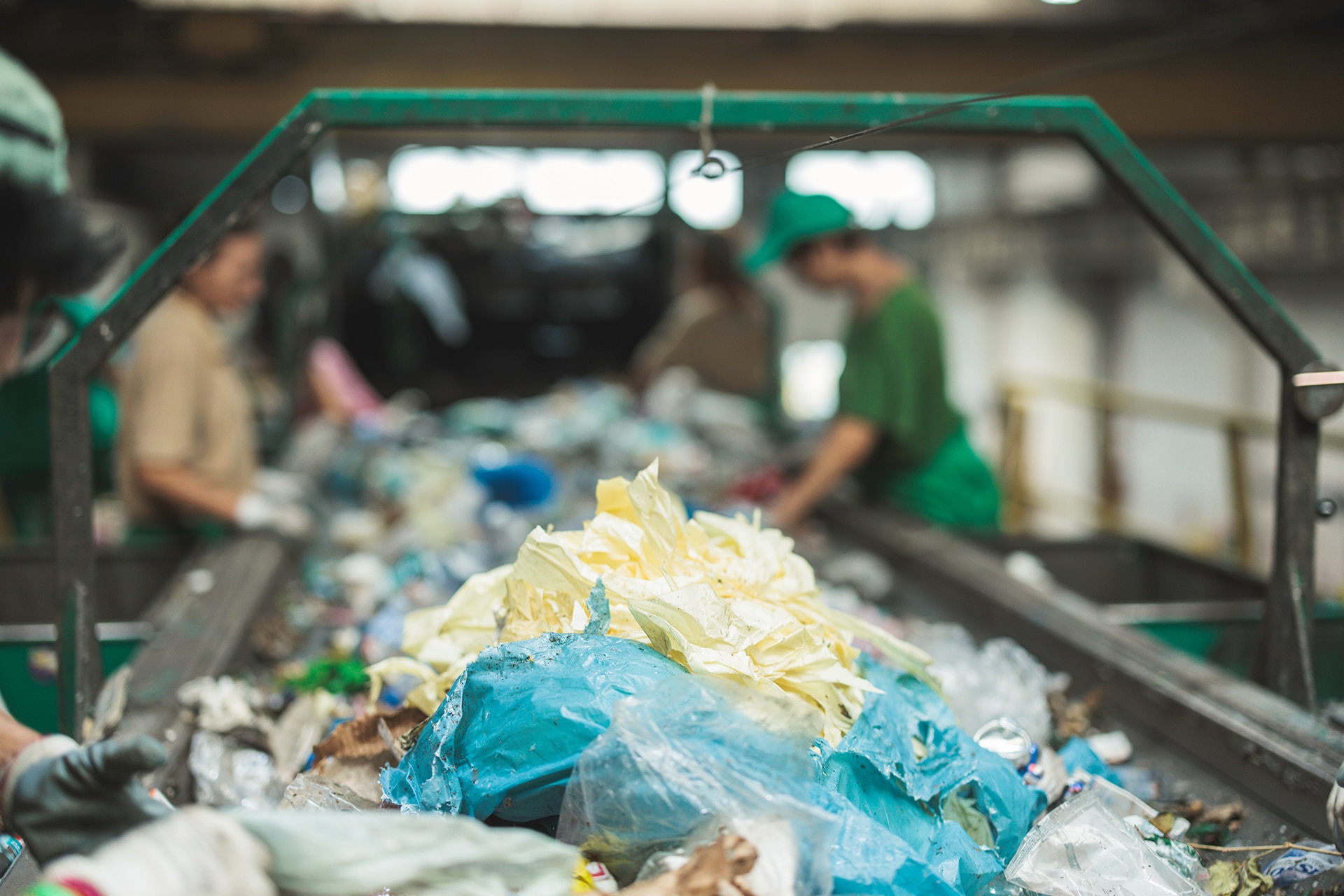
How is plastic recycled, step by step?
The plastic recycling process can vary depending on the type of material and the facilities, but it generally includes the following steps:
- Collection and separation
First, plastic waste is collected and sorted at recycling centers.” The materials are separated according to their recycling code, which facilitates subsequent processing.
- Cleaning and removal of impurities
Plastics are washed to remove food residue, labels, and other contaminants. This step is crucial for ensuring that the recycled plastic is of high quality.
- Grinding and shredding
Once cleaned, the plastics are shredded into small fragments or pellets. This stage makes the material easier to handle and process in subsequent steps.
- Melting and transformation
Finally, the fragments are melted and molded to create new plastic products. Depending on the type of plastic, the material can be transformed into packaging, textile fibers, construction products, or industrial materials.
This step-by-step process ensures that the recycled plastic meets the specifications required for use in new applications, thereby reducing the need for virgin plastics.
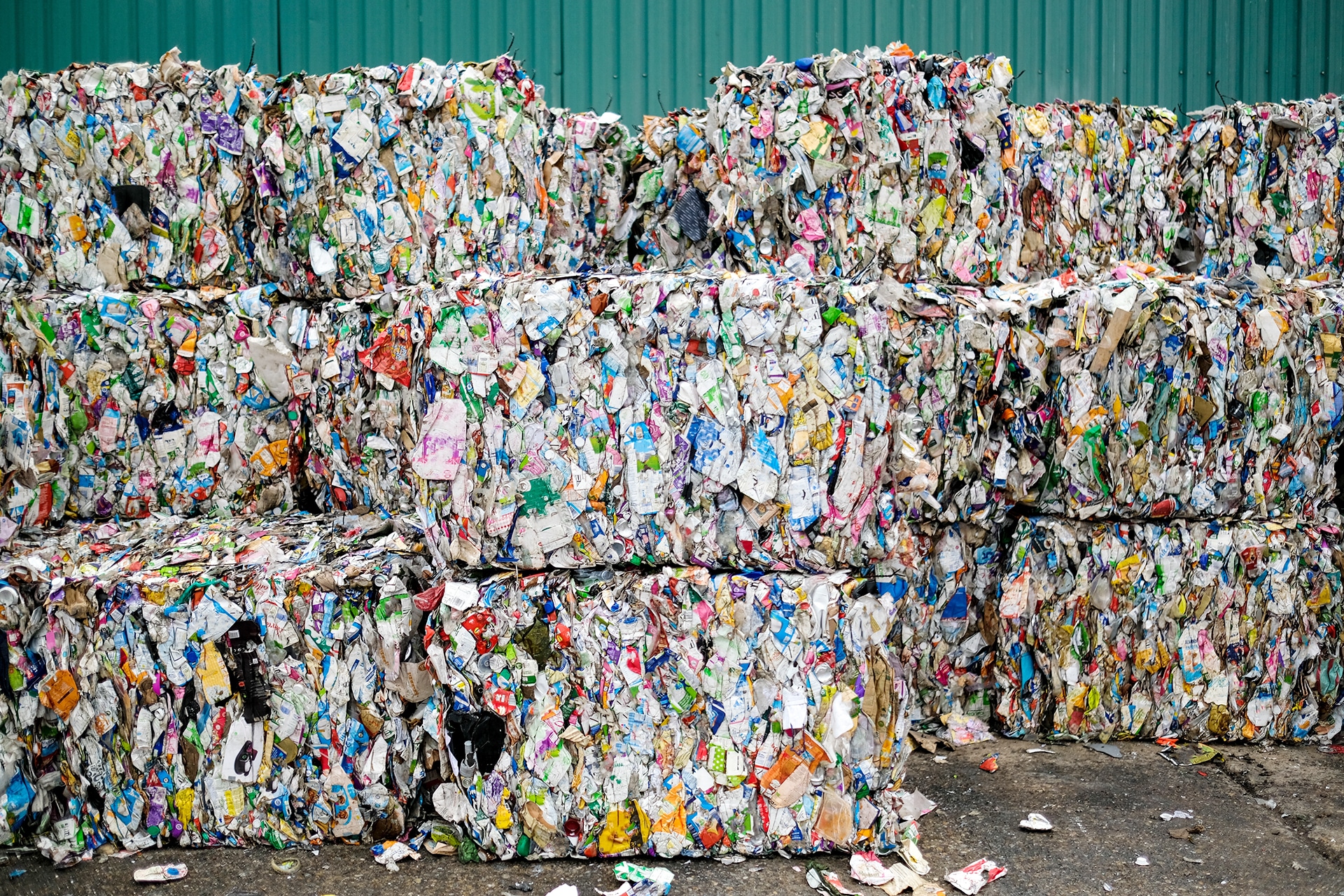
How can you recycle plastic at home?
Although industrial-scale plastic recycling is the best option, there are several practices you can adopt at home to contribute to the responsible management of this material.
Separating plastics
The first step to recycling plastic at home—as obvious and simple as it may sound—is to set aside a specific bin for it. All the waste you place in this bin should go into the designated recycling container (often yellow, depending on your local system). Furthermore, if you want to go a step further, you may be able to find specific recycling drop-off points for certain types of plastic, such as PET or HDPE.
Creative reuse
Some plastic containers can be repurposed for home projects. For example, you can turn bottles into plant pots, organizers, or gardening tools. In this way, you extend the useful life of the plastic before eventually disposing of it.
Avoiding the use of disposable plastics
Reducing the consumption of single-use plastic products is another way to contribute to environmental conservation. Opting for reusable alternatives, such as cloth bags and glass bottles, can make a significant difference.
How is plastic recycled? A summary
Recycling plastic is a complex task, but its environmental benefits are indisputable. Throughout this process—from collection and sorting to melting and reusing the material—you contribute to the conservation of natural resources and the reduction of greenhouse gas emissions.
Each type of plastic, identified by its recycling code, has its own specific recycling requirements. “Furthermore, there are several ways we can all help from home: by sorting waste correctly, finding creative ways to reuse containers, or reducing our use of disposable products.
With this knowledge about how plastic is recycled, you can help ensure a more responsible and sustainable use of this material in your daily life.
Related reading: Recycling plastic: why is it so important? and Plastic Waste Management: Is Recycling Profitable?.
We customize your orders according to your needs.
Request a no-obligation quote for any of our products.
 REQUEST A QUOTE