
Plastic Waste Management: Is Recycling Profitable?
At Plásticos Arias, we understand that plastic waste management is a crucial aspect of a sustainable future for our environment and the economic viability of our industry. Far from being a problem, well-managed waste can become a source of new opportunities for utilization and continuous improvement.
The evolution of recycling technologies, growing environmental awareness, and regulatory changes are transforming how we handle waste. “This raises a key question for companies, waste managers, and manufacturers: is recycling plastic profitable?
In this post, we explain how plastic waste management is carried out, what factors influence its profitability, and how innovation is driving new solutions.
What Do We Mean by Plastic Waste Management?
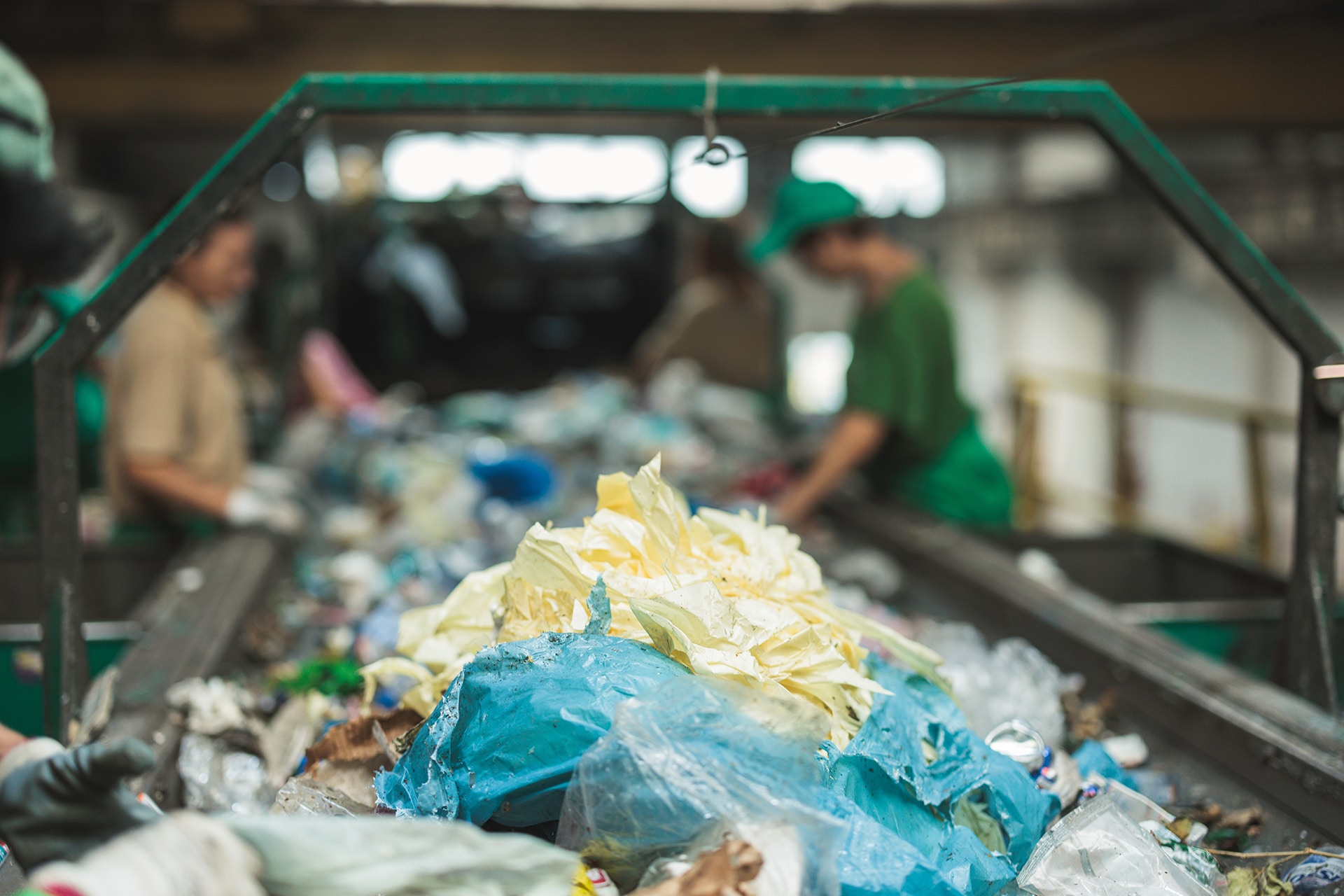
Plastic waste management encompasses every stage from the moment waste is generated until its final recycling or disposal. “This process includes:
Separation and Collection
The first step is the separation of plastic waste, as not all types are handled in the same way.” Sorting them correctly improves the efficiency of the entire treatment system.
Treatment
Once collected and sorted, the waste enters the treatment phase, where its potential end-use is determined based on its composition, condition, and recovery potential. “The main processes are:
Mechanical Recycling
This is currently the most widespread method.” It involves shredding, washing, and melting plastic waste to transform it into new materials or products. It is especially effective with clean, homogeneous plastics of a single type, such as PET or HDPE.
Energy recovery
When waste cannot be recycled as a material, its energy content can be recovered through controlled incineration. This process generates thermal or electrical energy, reducing the final volume of waste and preventing it from ending up in a landfill. Although not recycling in the strict sense, it is part of an efficient and controlled waste management system.
Chemical recycling
This is an emerging technology with great potential. It allows for the chemical breakdown of more complex or mixed plastics—which cannot be recycled mechanically—into monomers or other raw materials. These can then be reintroduced into the production chain with a quality comparable to that of virgin material. While currently costly, its adoption is expected to increase in the coming years.
Final disposal
When recycling is not possible, waste is disposed of in a controlled manner to minimize its environmental impact.
Effective waste management must be not only technically efficient but also economically viable and environmentally responsible. Only in this way can we ensure that the process remains sustainable and scalable over time.
Is recycling plastic waste profitable?
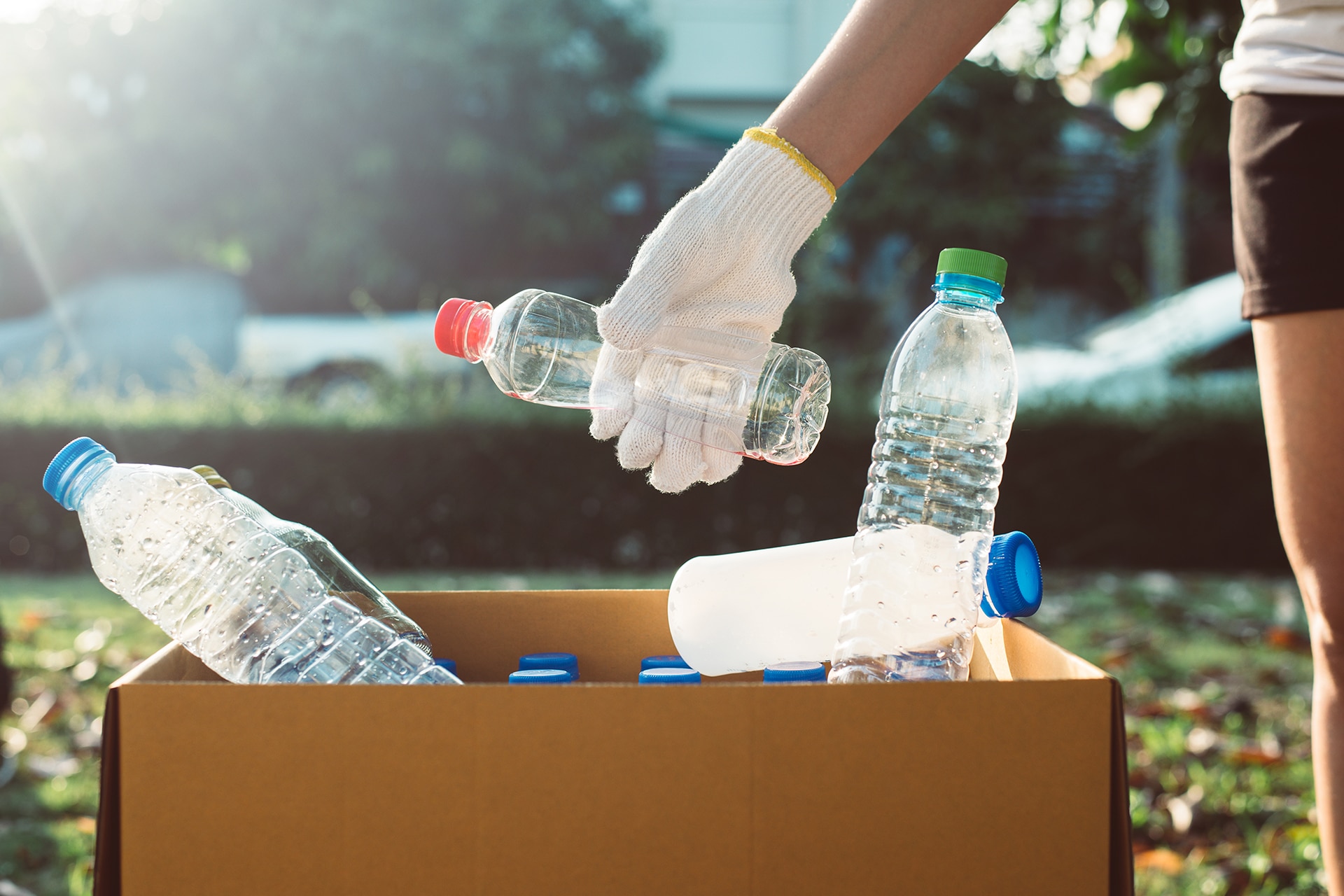
This is a common question, and the answer is not straightforward. “The profitability of recycling plastic waste depends on several key factors:
- Type of plastic: Plastics such as PET (transparent bottles) and HDPE (opaque, rigid containers) are easier and cheaper to recycle, and they benefit from established markets.” In contrast, mixed or contaminated plastics are more complex and expensive to recycle.
- Volume of waste: the greater the quantity of plastic waste available, the more the cost per treated unit decreases, thanks to economies of scale.” Consequently, profitability improves.
- Technology and processes: Investing in modern technology, such as automated sorting systems and efficient machinery, can improve the quality of recycled material and reduce costs.”
- Demand for recycled material: A robust market for recycled plastics is essential for long-term sustainable recycling.
Although recycling is not always profitable in the short term, its medium- and long-term benefits—environmental, social, and regulatory—make it a necessary and strategic investment.
How is plastic waste recycled?
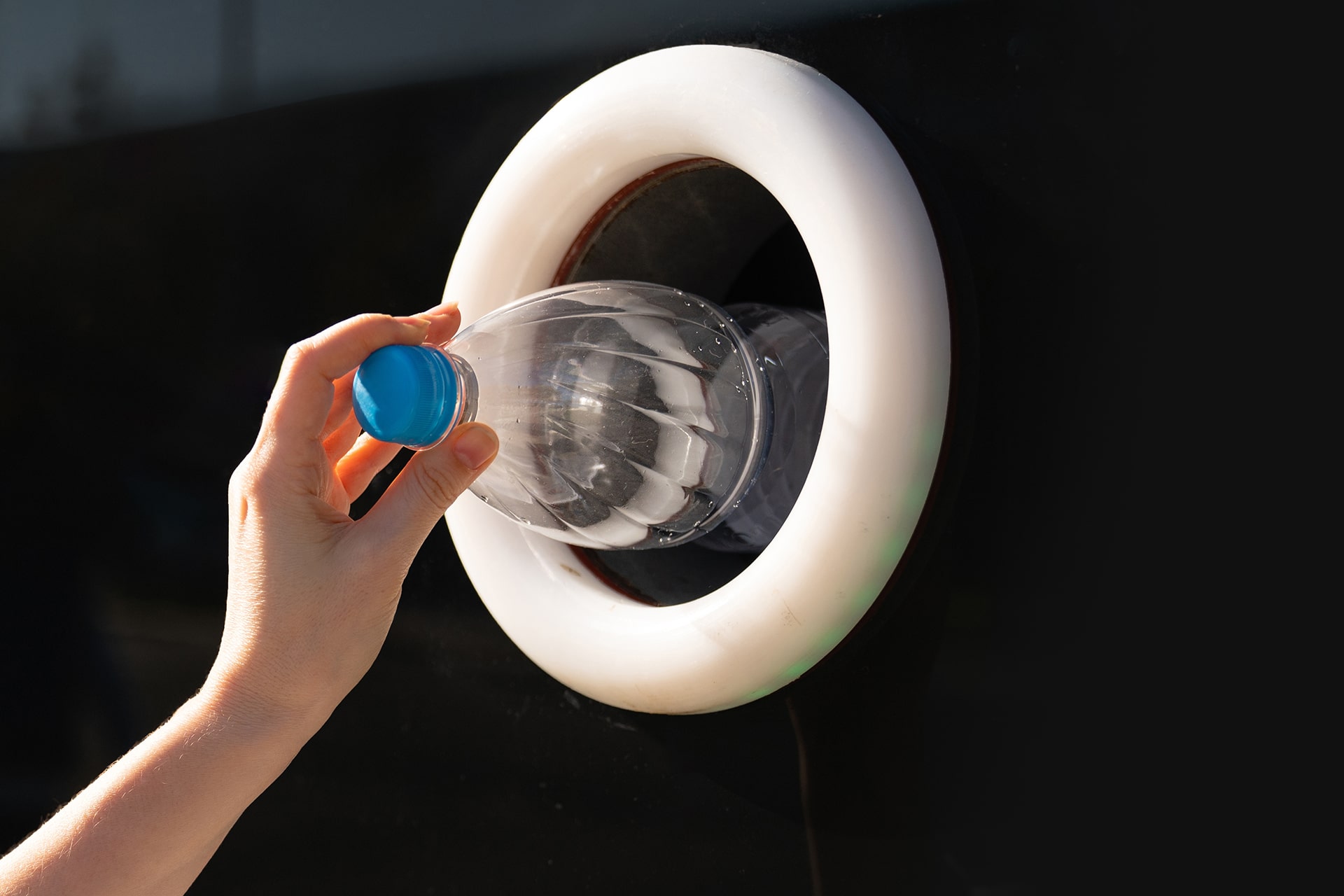
Current techniques are enabling a shift toward more efficient and cost-effective recycling. “Key aspects of the process include:
- Intelligent sorting systems: These use technologies such as artificial intelligence and optical sensors to sort plastics with greater precision, thereby reducing cross-contamination.
- New recycling technologies: Methods like chemical recycling allow for the processing of mixed plastics or those that are difficult to recycle mechanically, creating new opportunities.
This commitment to innovation not only improves profitability but also enhances the quality and utility of recycled materials—a crucial step toward fostering a true circular economy.
What can you do to improve waste management?
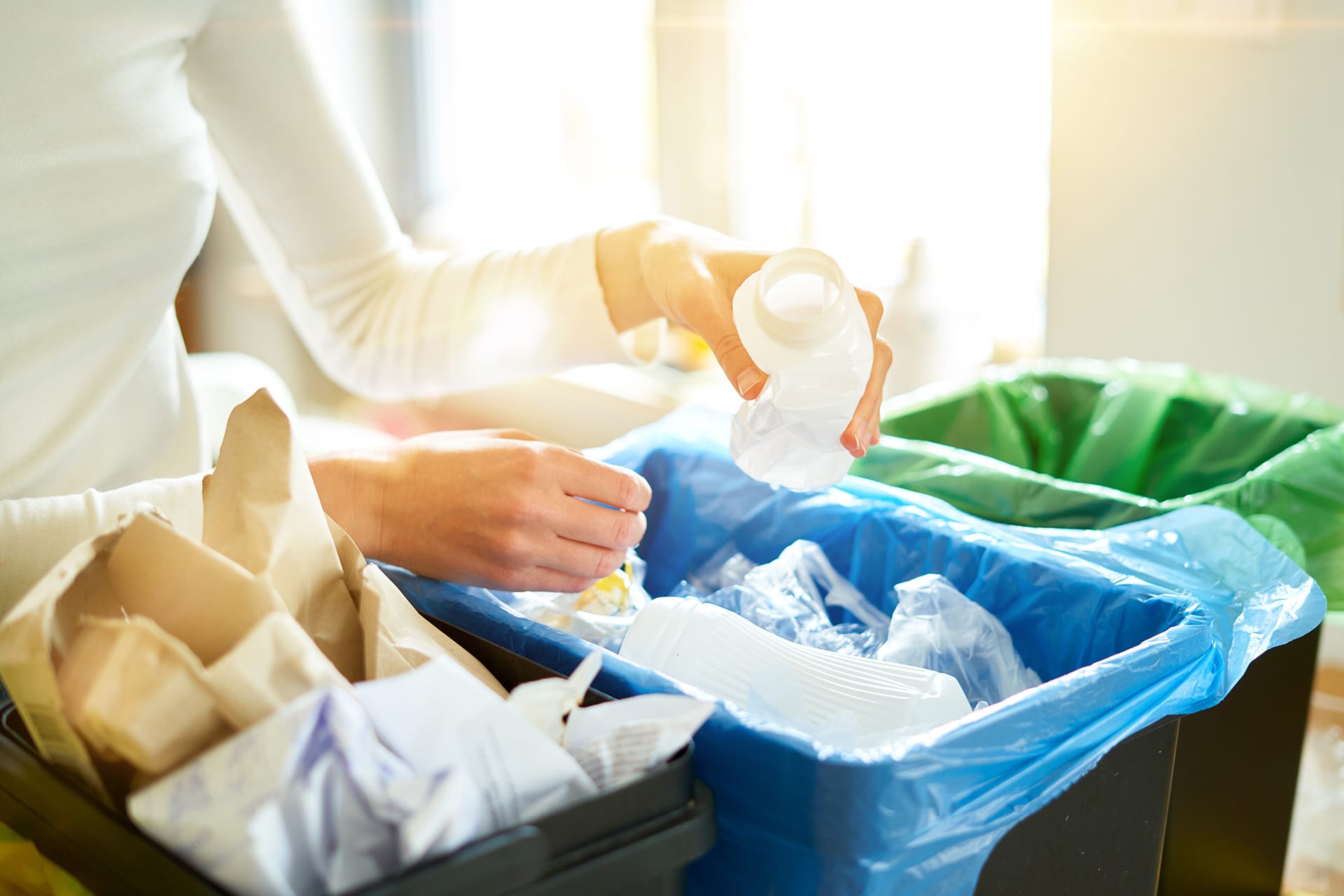
Whether you are an individual consumer or part of a business, you can help improve plastic waste management through simple actions:
- Sort plastic waste correctly: Use the appropriate bins and avoid mixing different types of materials.”
- Reduce the use of single-use plastics: Opt for reusable or biodegradable alternatives.”
- Look for products made from recycled plastic: This supports the market for recycled materials.”
- Stay informed and educate those around you: Share your knowledge and encourage good practices.
Ultimately, the management of plastic waste is no longer just an option—it is a priority. While profitability may depend on many factors, recycling and resource recovery are essential steps toward a more sustainable, efficient model that is committed to the future.
At Plásticos Arias, we continue to move forward with a clear objective: to transform environmental challenges into opportunities for improvement and development for everyone.
Related reading: How is plastic recycled? and Recycling plastic: why is it so important?.
We customize your orders according to your needs.
Request a no-obligation quote for any of our products.
 REQUEST A QUOTE