Trends in Sustainable Packaging for 2025
The packaging sector is undergoing a true revolution. Growing environmental awareness, technological advancements, and new consumer demands are steering the industry toward increasingly sustainable solutions. The year 2025 is shaping up to be a pivotal moment in this transformation. In this post, we outline the key packaging trends for 2025, with a special focus on sustainable packaging—a major driver of this shift.
Why is it so important to discuss packaging trends?
Packaging is no longer just a means of protection or transport. It serves as a communication tool, an essential part of the shopping experience, and a clear indicator of a brand’s values. In a world where consumers demand environmental commitment, sustainable packaging has become a necessity rather than an option.
Packaging trends for the coming years point toward greater functionality, reduced environmental impact, and increased transparency. Companies that adapt in time will gain an edge in both competitiveness and reputation.
Key Packaging Trends for 2025
Market demands, material innovation, and evolving regulations are paving the way for more efficient, functional, and responsible packaging. “The trends in sustainable packaging for 2025 reflect this shift: packaging designed not only to protect the product but also to minimize environmental impact, enhance the user experience, and reinforce a brand’s commitment to sustainability.” Below, we examine the key factors that will shape the design and production of packaging in the months ahead.
Recycled and recyclable materials on the rise
One of the most well-established packaging trends is the replacement of single-use materials with recycled or recyclable alternatives. “In 2025, we will see a surge in the use of:
- Post-consumer recycled (PCR) plastics.
- Monomaterial packaging, which is easier to recycle.
- Alternatives such as recycled PET or recycled low-density polyethylene.
These types of materials not only reduce the demand for virgin resources but also improve packaging circularity and reinforce a message of sustainability to the consumer.
Eco-design: less is more
Eco-design is emerging as one of the most significant packaging trends for 2025. What does this mean?
- Lighter designs that reduce the amount of material used.
- Fewer layers or combined materials.
- The elimination of unnecessary elements (such as plastic windows, adhesives, or polluting inks).
The goal is to create functional, attractive packaging that is easy to recycle or reuse, without compromising on design.
Compostable and biodegradable packaging
Although not applicable to every sector, the use of compostable or biodegradable packaging continues to grow, particularly in the food industry and the natural cosmetics sector.
In 2025, we expect to see further advancements in:
- Bio-based plastics (PLA, PHA).
- Materials such as corn starch, cellulose, or natural fibers.
- Packaging certified for home or industrial composting.
This type of packaging helps reduce waste and is especially valued by consumers who are highly committed to the environment.
Transparent labeling and traceability
Another major trend in packaging for 2025 is informational transparency. “Consumers want to know:
- What the packaging is made of.
- Whether it can be recycled or composted.
- What environmental footprint has it left behind?
For this reason, we will see an increase in labels that explain the packaging’s life cycle or the origin of its materials—some even include QR codes that allow users to learn more about the packaging’s environmental impact and recyclability.
Reusable packaging and refill systems
Moving away from the “use-and-toss” model, more and more brands are opting for reusable packaging. These types of containers are designed for a long lifespan or to be returned for refilling or reuse.
Some common formats that we will see grow in 2025 include:
- Returnable packaging in supermarkets and physical retail stores.
- Refill systems for cosmetics, cleaning products, or food items.
- Solutions made from glass, aluminum, or durable plastics.
This model not only reduces waste but also fosters a more direct relationship between the brand and the consumer.
Digitalization of packaging
Technology is also shaping packaging trends. “In 2025, it will become increasingly common to find packaging that incorporates digital elements, such as:
- Customized QR codes.
- Smart labels (NFC, RFID).
- Augmented reality to enhance the user experience.
These tools provide additional information without cluttering the design; they also help improve packaging traceability and assist in detecting fraud or counterfeiting.
Minimalism and emotional packaging
Packaging design is also evolving toward visual minimalism—less ink, fewer graphic elements, and more white space. This not only reduces environmental impact but also conveys an image of sustainability and authenticity.
Furthermore, emotional packaging will continue to gain momentum: inspiring messages, natural colors, simple typography… Everything is designed to connect with a more conscious and demanding consumer.
Regulations and regulatory pressure
In 2025, many trends in sustainable packaging will be driven by legislation. European directives—such as those restricting single-use packaging or setting requirements for recycled content—will set the direction.
This will require companies to:
- Redesign packaging to comply with new legal requirements.
- Demonstrate the sustainability of their packaging solutions.
- Partner with suppliers that already operate according to circular economy principles.
Collaboration among brands, suppliers, and consumers
A key cross-cutting trend for 2025 is collaboration. Packaging sustainability does not depend solely on manufacturers; it also involves designers, brands, distributors, and consumers themselves. “Consequently, we will see more collaborative projects focused on:
- Circular supply chains.
- Packaging collection and return initiatives.
- Alliances for the development of new sustainable materials.
2025: A pivotal year for sustainability in packaging
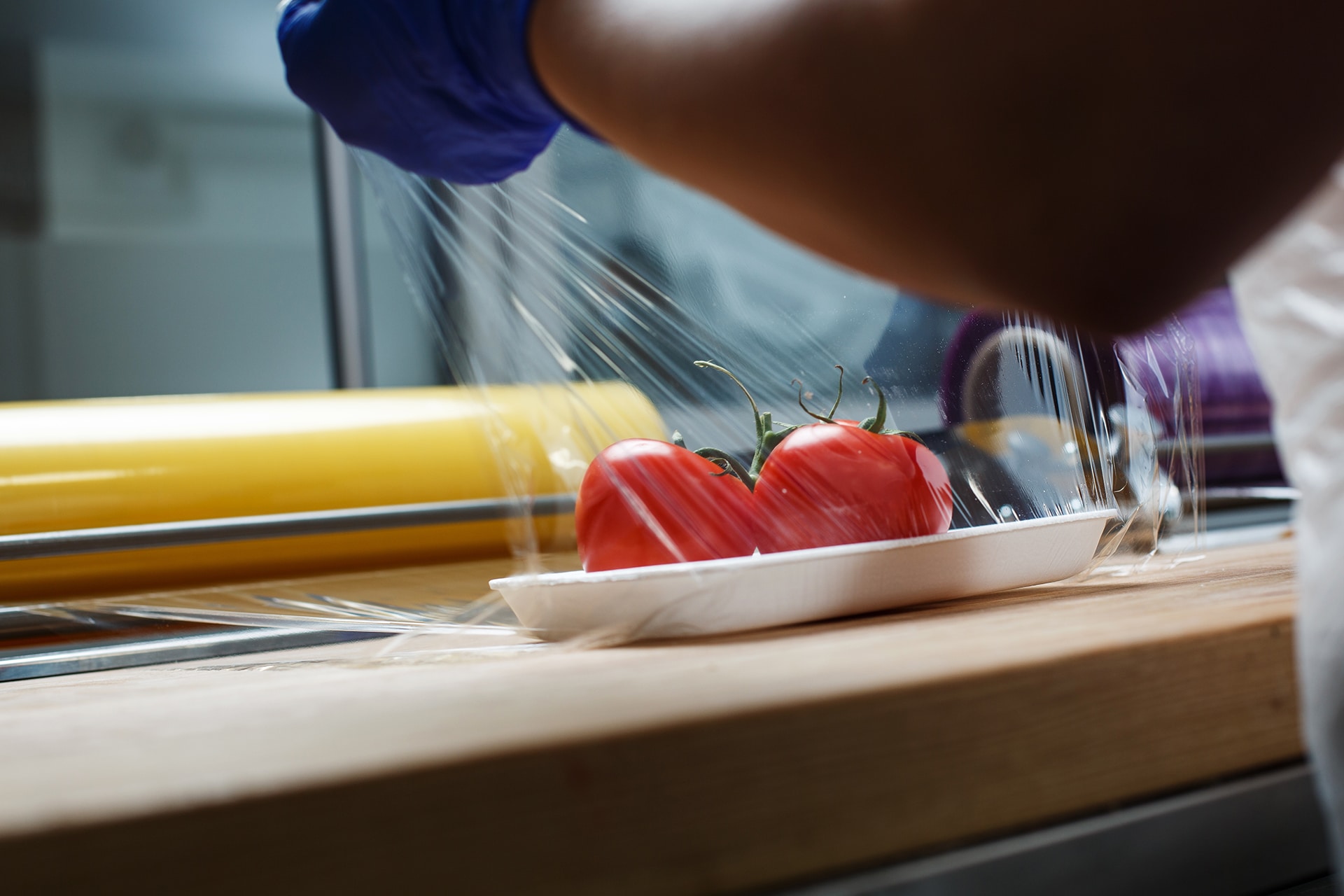
Packaging trends for 2025 point toward a future that is more efficient, circular, and environmentally committed.” Packaging will evolve from a simple container into a strategic tool that serves the planet, the consumer, and innovation.
At Plásticos Arias, we closely monitor each of these packaging trends to ensure we continue providing our clients with sustainable, tailored, and effective solutions. Shall we talk?
Related reading: Sustainable Packaging: Materials, Benefits, and Examples and Sustainable Flexible Packaging.
We customize your orders according to your needs.
Request a no-obligation quote for any of our products.
 REQUEST A QUOTE