
Thermal plant covers: discover their benefits
Low temperatures can pose a problem for crops and gardens. “However, there is a simple, effective, and affordable solution to protect plants from the cold: the thermal cover.” This product—also known as an agricultural thermal cover—is increasingly being used in professional agriculture, as well as in urban gardens and home gardening. In this post, we’ll show you how to use it. Take note!
What is an agricultural thermal cover?
A thermal cover is a type of non-woven fabric, primarily made of polypropylene, that acts as a protective barrier against low temperatures, wind, hail, and frost. Its lightweight composition allows air, water, and light to pass through, ensuring a suitable microclimate for plant growth without the need to remove it during the day. Furthermore, it is commonly used in greenhouses, as it helps optimize yields and extend production cycles.
Key benefits of thermal plant covers
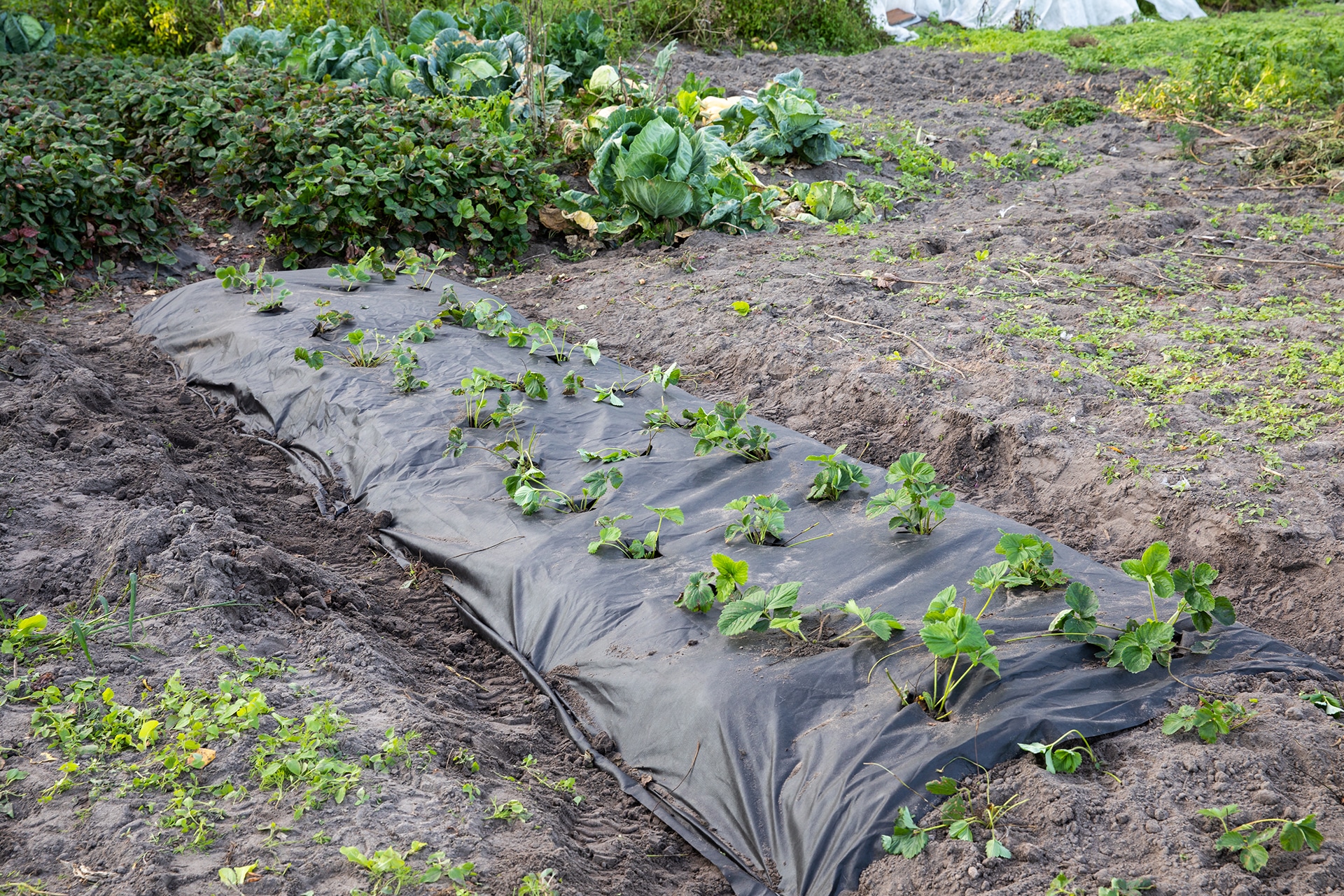
Using this type of fabric offers multiple advantages for the care of plants and crops. “Here are some of the most notable ones:
Protection against frost
The most well-known benefit is its ability to protect plants from frost.” By acting as an insulating layer, the thermal cover maintains a more stable temperature around the plant, reducing the risk of cold-related damage.
Improved crop development
Agricultural thermal covers foster a warmer, more humid microclimate that accelerates germination and plant growth, especially during the early stages of cultivation. This results in more uniform development and an earlier harvest.
Protection against insects and birds
Although it is not its primary function, it also acts as a physical barrier against flying insects, birds, and other animals that could damage the plants, without the need for chemical products.
Reduction of water stress
By decreasing water evaporation, the thermal cover helps retain soil moisture, which reduces the need for irrigation—especially in areas with water scarcity.
Versatility of use
The thermal cover can be used for open-field crops, as well as in greenhouses, pots, urban gardens, and home gardening. Furthermore, it can be placed directly over the plants or over supporting structures.
Price and cost-effectiveness
The price of agricultural thermal cover can vary depending on its weight (density), roll size, and supplier; however, it is generally a very affordable and cost-effective product. Its durability allows it to be used for several seasons if stored and cared for properly, making this solution a smart investment for both professional farmers and gardening enthusiasts.
How to use the thermal cover?
One of the great advantages of thermal covers for plants and the agricultural sector is their ease of use. “Below, we outline the basic steps for proper installation:
- Direct placement: For small crops or individual plants, it can be placed directly over the vegetation, leaving some slack so as not to put pressure on the shoots.” It is secured to the ground using stones, staples, or soil.
- Over structures: For larger crops, or when additional protection is desired, it can be placed over hoops, stakes, or any type of structure that creates a tunnel.” This system is ideal for vegetable gardens and greenhouses.
- For how long: The thermal cover can remain over plants for long periods without needing to be removed daily, as it allows light and water to pass through.” However, it is important to monitor its condition and remove it temporarily if temperatures rise significantly.
For which crops can a thermal cover be used?
These types of materials are suitable for a wide variety of crops. “Some of the most common include:
- Vegetables: lettuce, spinach, carrots, onions, broccoli, cauliflower…
- Aromatic herbs: parsley, basil, mint…
- Fruit trees in their early stages.
- Ornamental or garden plants that are sensitive to the cold.
Additionally, it is also used as extra protection for seedbeds or seedlings that are in the process of adapting to the outdoors.
What is the difference between an agricultural thermal cover and a greenhouse cover?
Although various agricultural plastic materials are often used interchangeably, there are some differences:
- Agricultural thermal cover: Usually made of polypropylene, it is placed directly over plants or crops.” It is ideal for providing protection against cold, wind, or insects.
- Greenhouse cover: May consist of thicker materials or be part of a fixed structure, designed to create a controlled environment within an enclosed space.
Both can complement each other in agricultural operations, as a thermal cover can be used inside a greenhouse to provide additional protection during certain times of the year.
Tips for extending the lifespan of your thermal cover
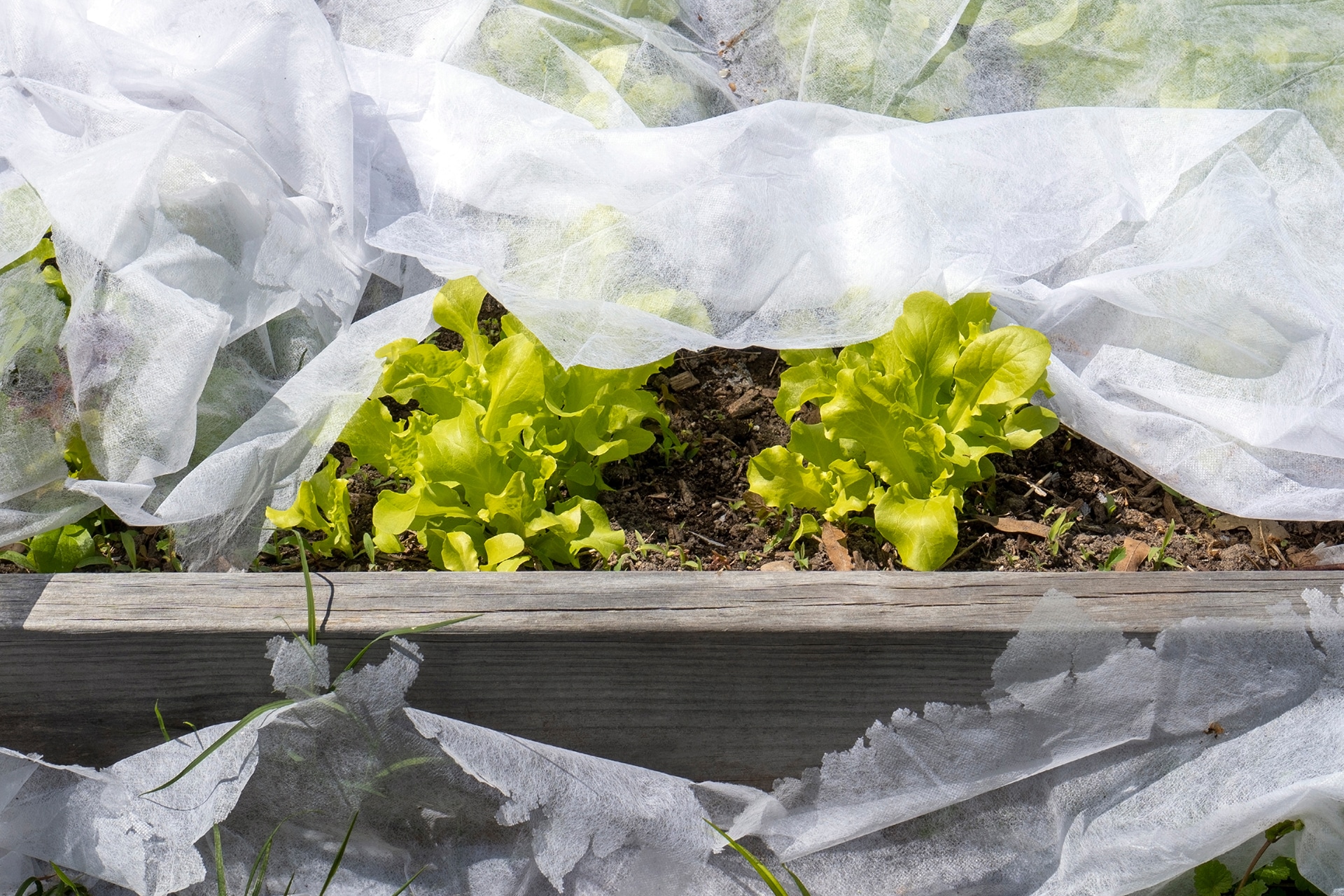
To get the most out of your agricultural thermal cover and keep it in good condition, follow these recommendations:
- Avoid dragging it over rough surfaces.
- Store the cover clean and dry—either rolled or folded—in a dry place away from direct sunlight.
- Do not allow the cover to come into direct contact with harsh chemicals or sharp objects.
The perfect ally for your crops
As you can see, a thermal plant cover is a versatile, efficient, and cost-effective resource for protecting your crops from adverse weather conditions. Whether used on large-scale farms, in gardens, or in small urban vegetable patches, it offers benefits that translate into higher yields, better quality, and reduced losses.
At Plásticos Arias, we work with high-quality materials tailored to the needs of the agricultural sector. If you are looking for an agricultural thermal cover for your crops, please don’t hesitate to contact us. We would be happy to advise you on the best solutions for your specific needs.
Related reading: Plastic and agriculture: how can it be used? and Flexible packaging: what it is, types and examples.
We customize your orders according to your needs.
Request a no-obligation quote for any of our products.
 REQUEST A QUOTE