
What does it really mean for packaging to be recyclable? (And what it does not mean)
Recyclable packaging is at the heart of the conversation around sustainability. It is becoming increasingly common to see terms like “recyclable,” “recycled,” or “eco” on packaging, but these terms are not always used accurately.
Understanding what it truly means for packaging to be recyclable (and what it doesn’t) is key for both the industry and consumers. In this article, we clarify concepts, clear up common misconceptions, and explain how to correctly identify recyclable plastic packaging.
What is recyclable packaging?
Recyclable packaging is packaging that, after use, can be collected, processed, and transformed back into raw material to manufacture new products.
However, there is an important nuance here: it is not enough for the material to be technically recyclable.” “For packaging to be truly recyclable, several conditions must be met:
- There must be an adequate collection and sorting infrastructure in place.
- It must be possible to process the material using available recycling technologies.
- The process must be viable from a technical, economic, and environmental perspective.
Therefore, when we talk about which packaging is recyclable, we are referring not only to the material itself but also to the system into which that packaging is integrated.
So, how can you tell if packaging is recyclable?
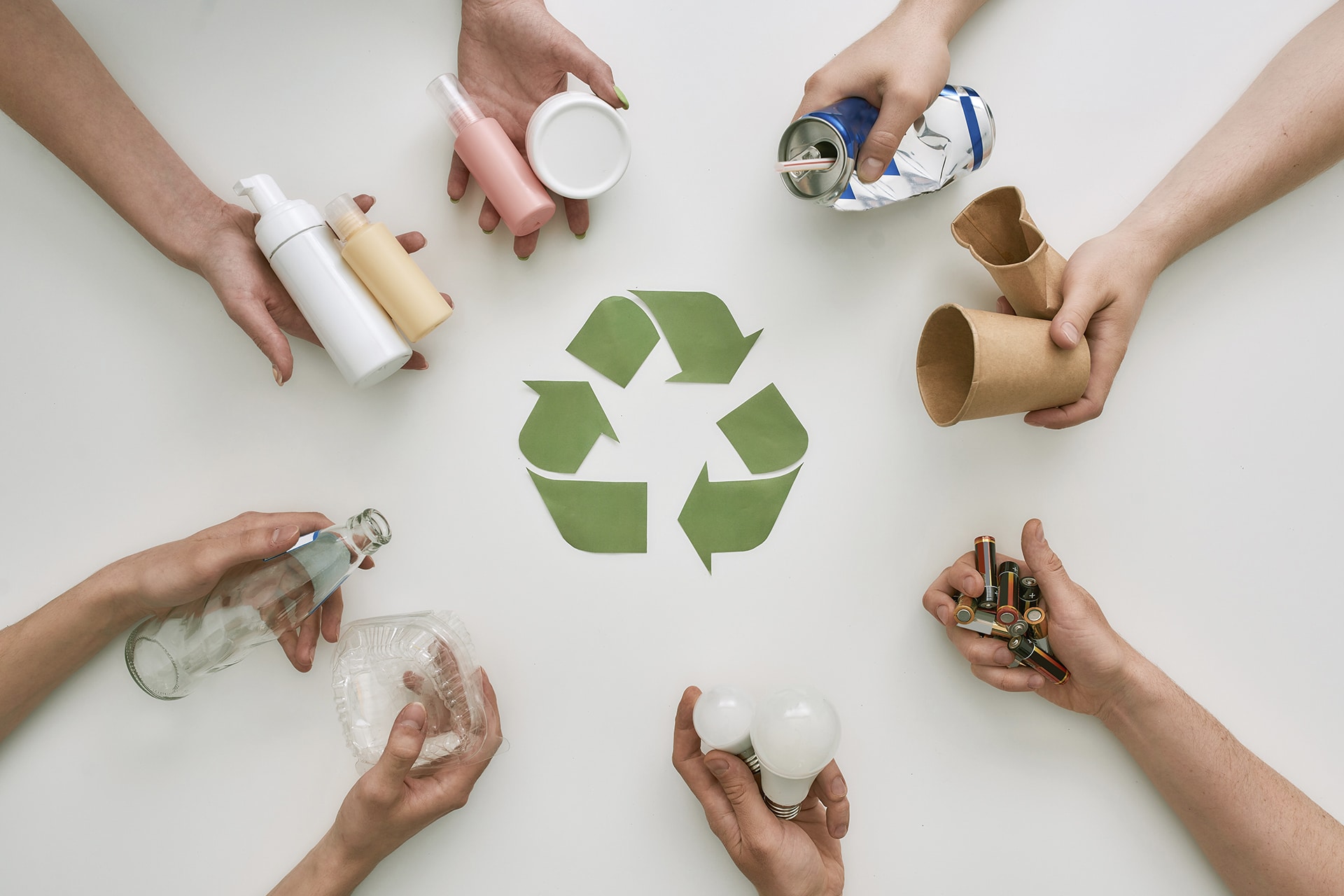
One of the most common questions is how to determine whether a piece of packaging is recyclable. “The answer is not always simple, but there are some key aspects to consider:
Identifying the type of material
Many types of packaging include codes that indicate the type of plastic (PET, PE, PP, etc.).” “Some of the most recyclable types are:
- PET (polyethylene terephthalate), commonly found in bottles.
- PE (polyethylene), used in films and bags.
- PP (polypropylene), found in rigid containers and lids.
Packaging design
Design directly influences recyclability. “For example:
- Monomaterial packaging (made from a single material) is easier to recycle.
- Combinations of materials (complex laminates) make recycling more difficult.
- Elements such as inks, adhesives, or labels can affect the process.
Available recycling systems
Packaging may be recyclable in theory, but not in practice, if there is no infrastructure in a given area to manage it correctly.
Recyclable packaging vs. recycled packaging: they are not the same
One of the most common mistakes is confusing recyclable packaging with recycled packaging.”
- Recyclable packaging: can be recycled after use.”
- Recycled packaging: is made, either entirely or partially, from recycled material.
Packaging made from recycled plastic may not be recyclable under certain conditions, and vice versa. Therefore, when discussing sustainability, it is important to consider the entire life cycle of the packaging—from its design to its end-of-life.
Is all recyclable packaging actually recycled?
The answer is no. Although many recyclable packages exist, not all of them end up being recycled. “This depends on factors such as:
- Proper sorting by the consumer.
- The efficiency of collection systems.
- The capacity of recycling plants.
For this reason, the design of recyclable and reusable packaging, along with the improvement of management systems, is essential for increasing actual recycling rates.
Recyclable and biodegradable packaging: key differences
Another important point is to distinguish between recyclable and biodegradable packaging, as they are not the same thing:
- A recyclable package is transformed into new material through industrial processes.
- A biodegradable package decomposes under specific conditions.
Not all biodegradable packages are recyclable, and not all recyclable packages are biodegradable. In fact, conflating these two concepts can lead to confusion and hinder proper waste management.
Recyclable packaging: industry examples
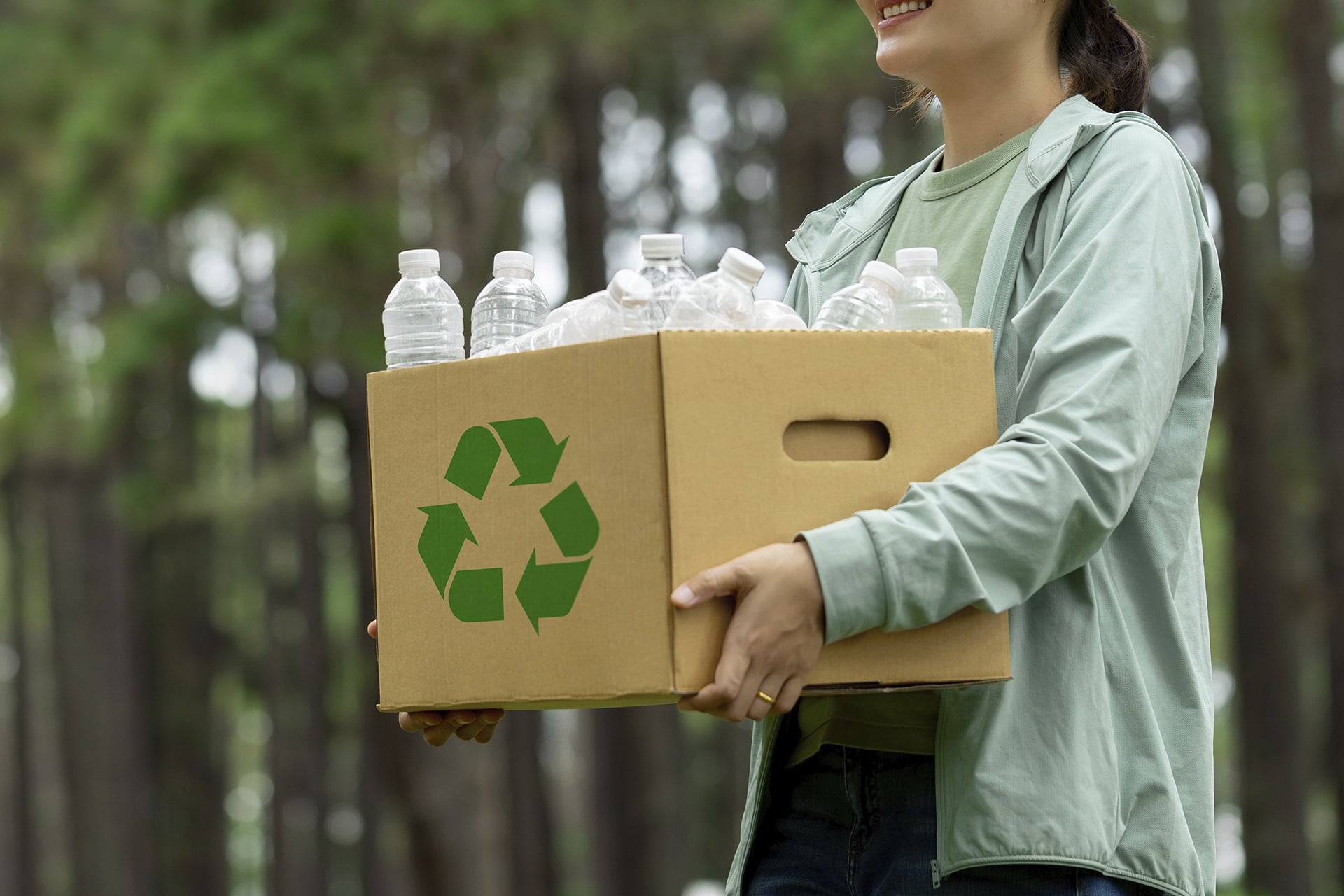
To better understand their application, here are some examples of recyclable packaging:
- PET bottles for beverages.
- Polyethylene bags and films.
- Rigid polypropylene packaging.
- Single-material food trays.
In the case of recyclable food packaging, the challenge is greater, as the plastic must be food-safe while also being easy to recycle.
The role of design in recyclable packaging
As previously mentioned, design is one of the most important factors for improving recyclability. “In this context, \”eco-design\” focuses on developing packaging by considering its environmental impact from the very beginning:
- Reducing materials.
- Simplifying structures.
- Using materials compatible with recycling processes.
- Optimizing weight and volume.
This approach makes recyclable plastic packaging increasingly efficient—both in terms of its use and its subsequent management.
Towards truly recyclable packaging
The term “recyclable” should not merely be a label; it should represent a genuine, verifiable characteristic. “Achieving this requires progress on several fronts:
- Improving collection and recycling systems.
- Developing new materials and technologies.
- Designing simpler and more efficient packaging.
- Clear and truthful information for the consumer.
Only in this way can we ensure that recyclable packaging is truly recyclable in practice, rather than just in theory.
At Plásticos Arias, we work on developing solutions that incorporate these principles, focusing on packaging that meets the actual needs of both the industry and the environment. Because understanding what constitutes recyclable packaging is the first step—but getting it right is what truly makes the difference.
Related reading: How is plastic recycled? and Recycling plastic: why is it so important?.
We customize your orders according to your needs.
Request a no-obligation quote for any of our products.
 REQUEST A QUOTE