
Microplastics: what they are, how they are generated, and what solutions exist
Microplastics have become one of the greatest environmental challenges of our time. In fact, it is estimated that more than 90% of the oceans contain microplastics, which highlights the scale of the problem and the urgent need for action. Understanding what microplastics are, how they form, and what solutions exist is crucial for reducing their impact on the environment and human health. We’ll explain it all today!
What are microplastics?
Microplastics are small particles of plastic material, measuring less than 5 millimeters. They can originate from products designed to be that size, or they can form when larger pieces of plastic break down due to wear and tear, solar radiation, or friction.
These tiny particles are durable and persistent, making them a silent threat: once released into the environment, they are virtually impossible to remove.” They have been found in rivers, seas, agricultural soil, and even within living organisms.
How are microplastics generated?
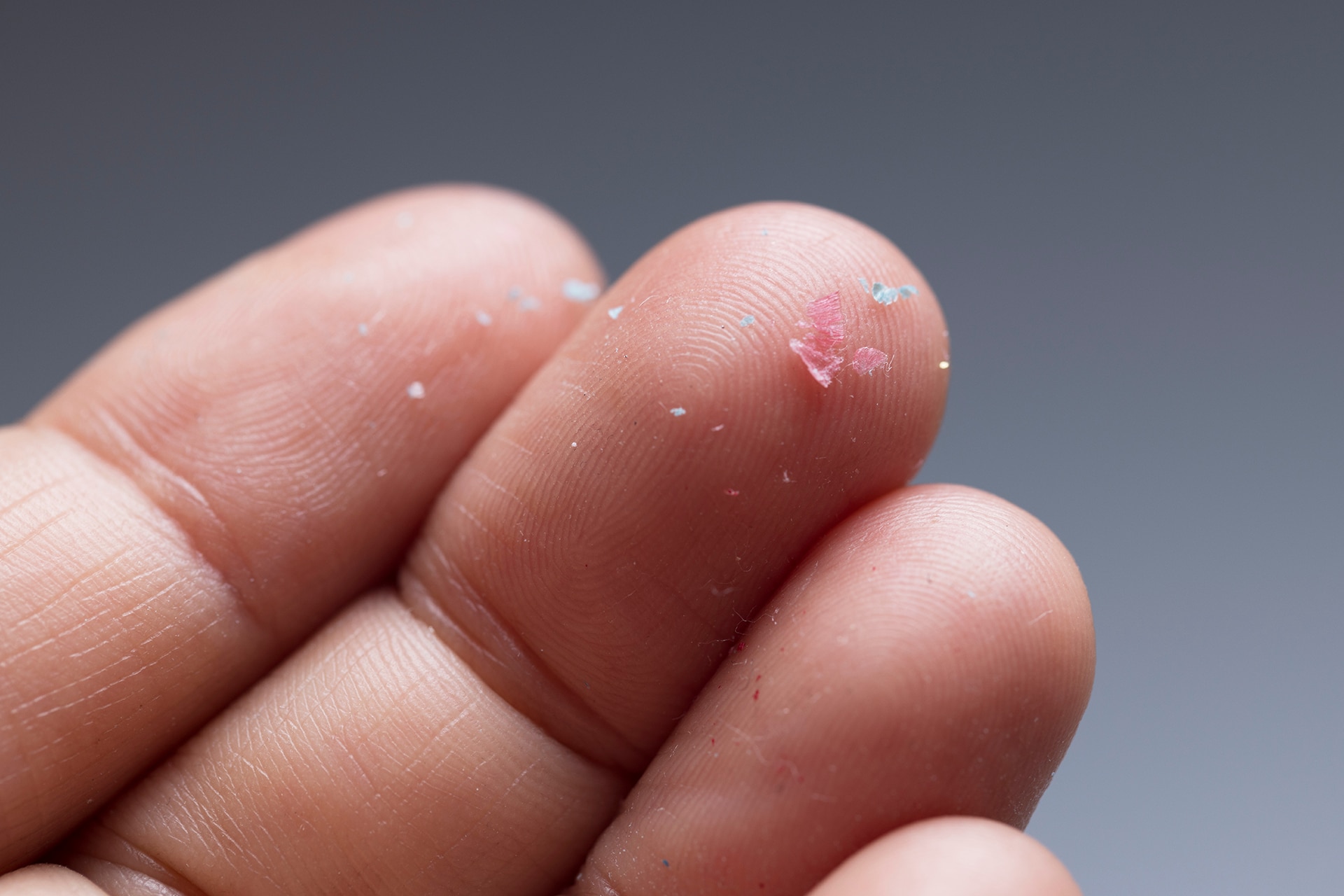
In most cases, the formation of microplastics is unintentional; it occurs as a result of everyday use and the poor management of plastic waste.
Main sources of generation
- Synthetic clothing: polyester, nylon, or acrylic fibers release microfibers during washing.”
- Tires and roads: the wear and tear of rubber produces particles that end up in the soil and in waterways.”
- Packaging and containers: As they degrade due to the action of the sun and wind, plastics break down into microscopic particles.”
- Cosmetics and hygiene products: Some exfoliants or toothpastes contain plastic microbeads that end up in the oceans.
Factors that accelerate their formation
Ultraviolet radiation, temperature changes, and salinity accelerate the degradation of plastic, facilitating the emergence of micro-fragments. Consequently, single-use plastics and the lack of proper recycling are the primary drivers behind the growth of this environmental issue.
What are microplastics, and how do they affect the environment?
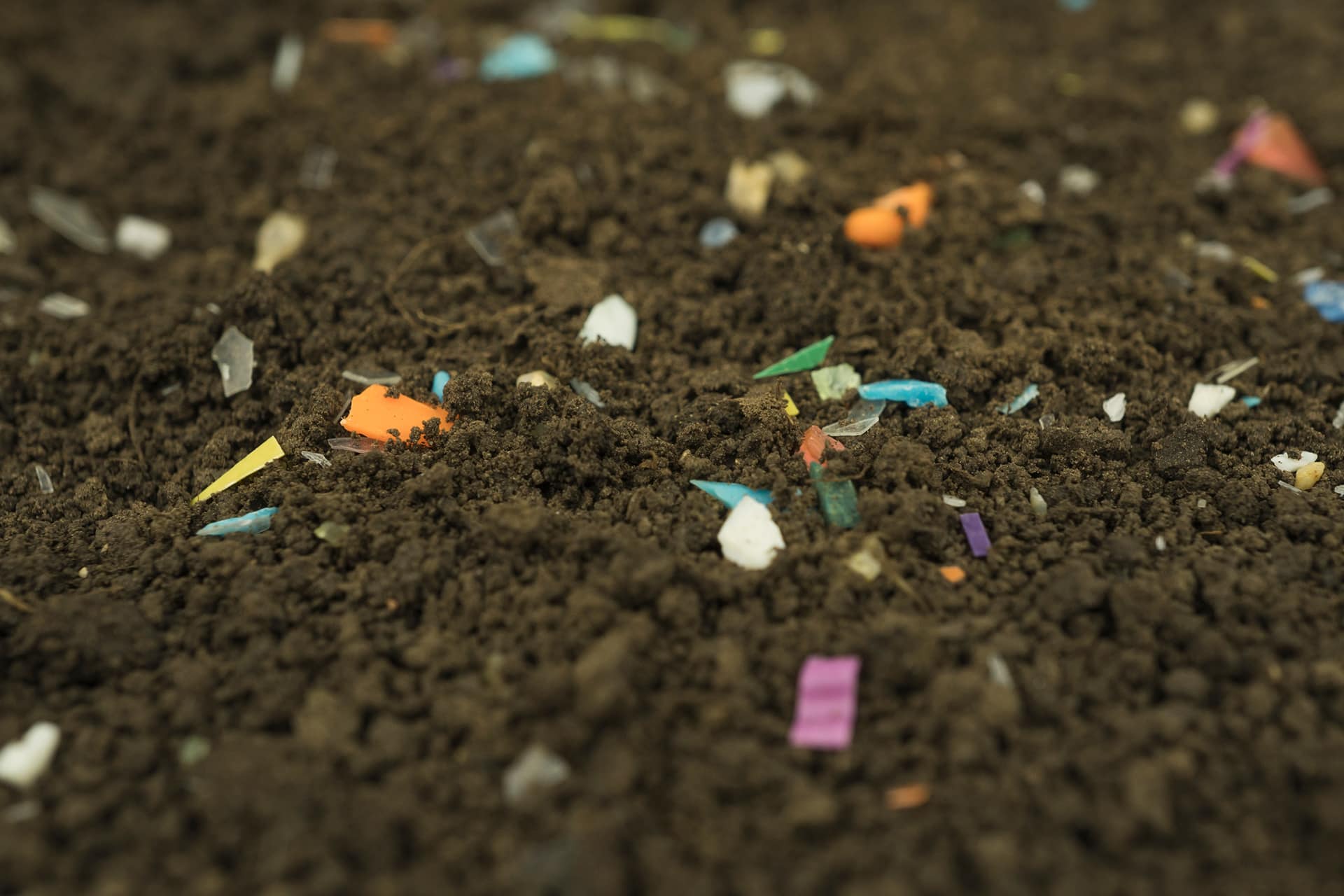
The impact of microplastics is not limited to the sea; they have also been detected in soil, the air, and agricultural crops. These particles can absorb chemical contaminants—such as pesticides or heavy metals—and act as a transport mechanism for toxic substances.
Effects on soil and agriculture
These particles can alter soil structure, affect water retention and nutrient distribution, and influence the activity of beneficial microorganisms. While this does not mean that all soil is severely affected, it is a factor that must be considered in agricultural and environmental management.
Presence in food and aquatic ecosystems
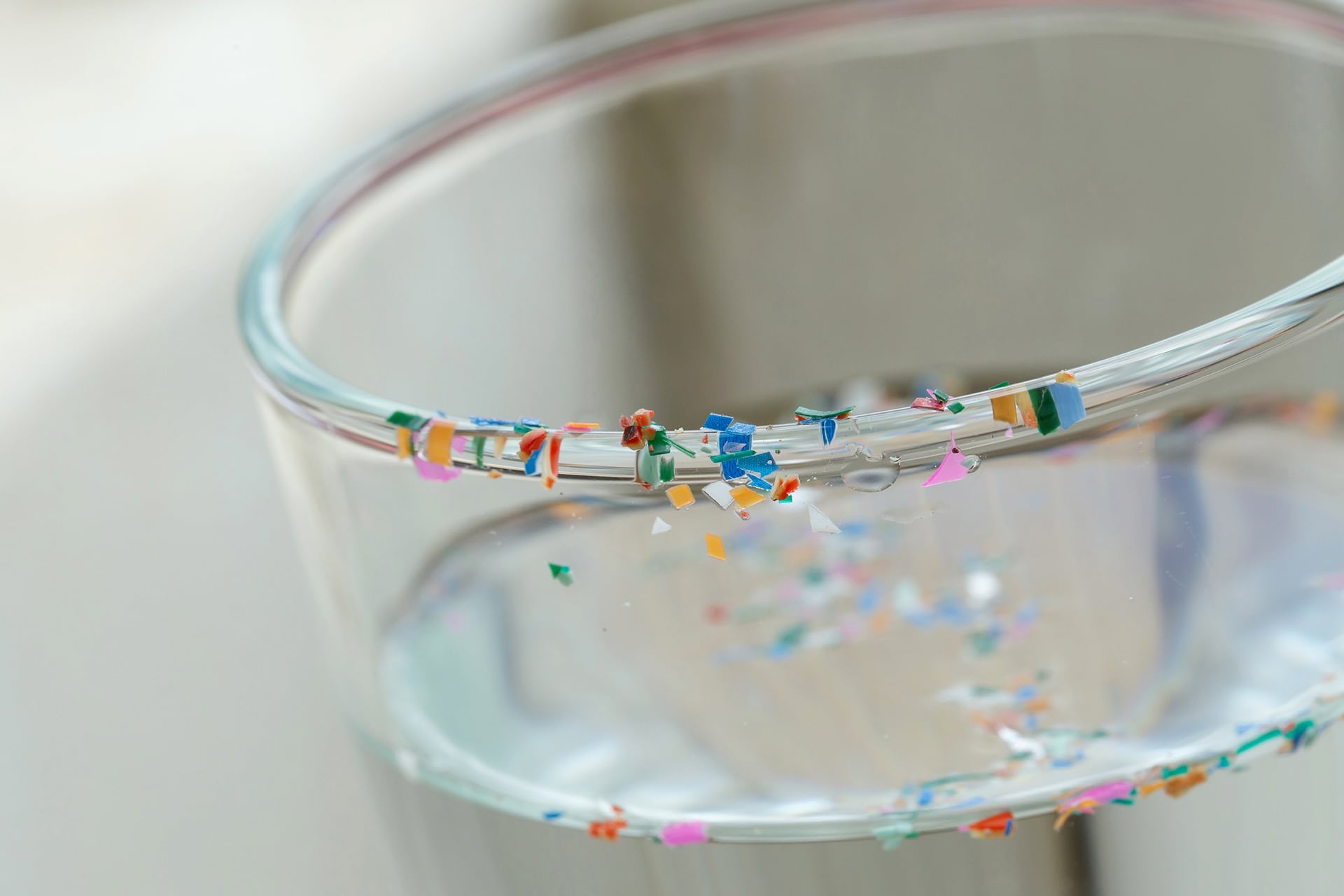
Microplastics have been detected in rivers, seas, and living organisms. Studying them is essential for understanding how they move within ecosystems and how they may interact with chemical contaminants. This knowledge helps in designing mitigation strategies and improving industrial and water-treatment processes.
Potential risks to human health
Although further research is still required, prolonged exposure could potentially lead to inflammation, oxidative stress, or hormonal disruptions. The main risk lies in the fact that these particles can enter the body through inhalation, ingestion, or contact with contaminated food.
Solutions and strategies for reducing microplastics
Reducing the presence of microplastics requires a collaborative approach involving industry, the scientific community, and the general public. “There are various strategies to minimize their spread while still leveraging the benefits of plastics in a responsible manner:
Responsible production and new materials
Innovation is key.” Biodegradable plastics, biopolymers, and recyclable materials are being developed to help minimize environmental impact. Adopting sustainable manufacturing processes and promoting a circular economy are essential steps toward transforming the production model.
Innovation in water treatment
Treatment plants are incorporating advanced technologies—such as membrane filters, biofilters, or carbon nanotubes—capable of capturing microscopic particles before they reach the natural environment. These solutions, combined with improved plastic waste management, help contain the problem at its source.
Changes in consumption habits
Small, everyday actions can help reduce the spread of microplastics:
- Choosing products without added plastics.
- Washing clothing using microfiber-filtering bags.
- Opting for reusable materials instead of single-use plastics.
- Recycling plastic correctly and reducing unnecessary consumption.
The role of industry and research
The plastics industry can lead the transition toward sustainability through eco-design, improved recycling processes, and the adoption of cleaner technologies. Collaboration among companies, research centers, and public authorities is essential to accelerate the development of efficient, sustainable alternatives.
Toward a future without microplastics
While microplastics present a challenge, they also offer an opportunity to rethink how we use and manage plastics responsibly. Through innovation, education, and commitment, it is possible to reduce its presence and protect ecosystems.
At Plásticos Arias, we prioritize research, sustainability, and continuous improvement as the foundation for a cleaner and more responsible future. We are committed to continuing our progress toward production that is efficient, safe, and environmentally friendly.
Related reading: Plastic Waste Management: Is Recycling Profitable? and How is plastic recycled?.
We customize your orders according to your needs.
Request a no-obligation quote for any of our products.
 REQUEST A QUOTE