
Smart packaging: what it is and how it is revolutionizing the industry
Innovation in the packaging sector is advancing rapidly, driven by digitalization, sustainability, and the demand for better product preservation. In this context, smart packaging has emerged—a solution capable of monitoring, protecting, and even interacting with the consumer, which is transforming how companies and users engage with products.
According to industry data, the global market for smart and active packaging is projected to exceed 46 billion euros by 2030, driven primarily by the food and pharmaceutical industries.
What is smart packaging?
Smart packaging refers to packaging that incorporates technologies or functional materials capable of monitoring the condition of a product, detecting changes, providing additional information, and even interacting with the consumer throughout the product’s entire lifecycle.
Unlike traditional packaging, it does more than just protect the contents; it also provides information or control features. For instance, it can indicate whether a food product is in optimal condition, whether it has been exposed to temperature fluctuations during transport, or whether it has exceeded its estimated shelf life. This is particularly relevant for food preservation, as it contributes significantly to ensuring food safety and reducing waste.
Types of smart packaging
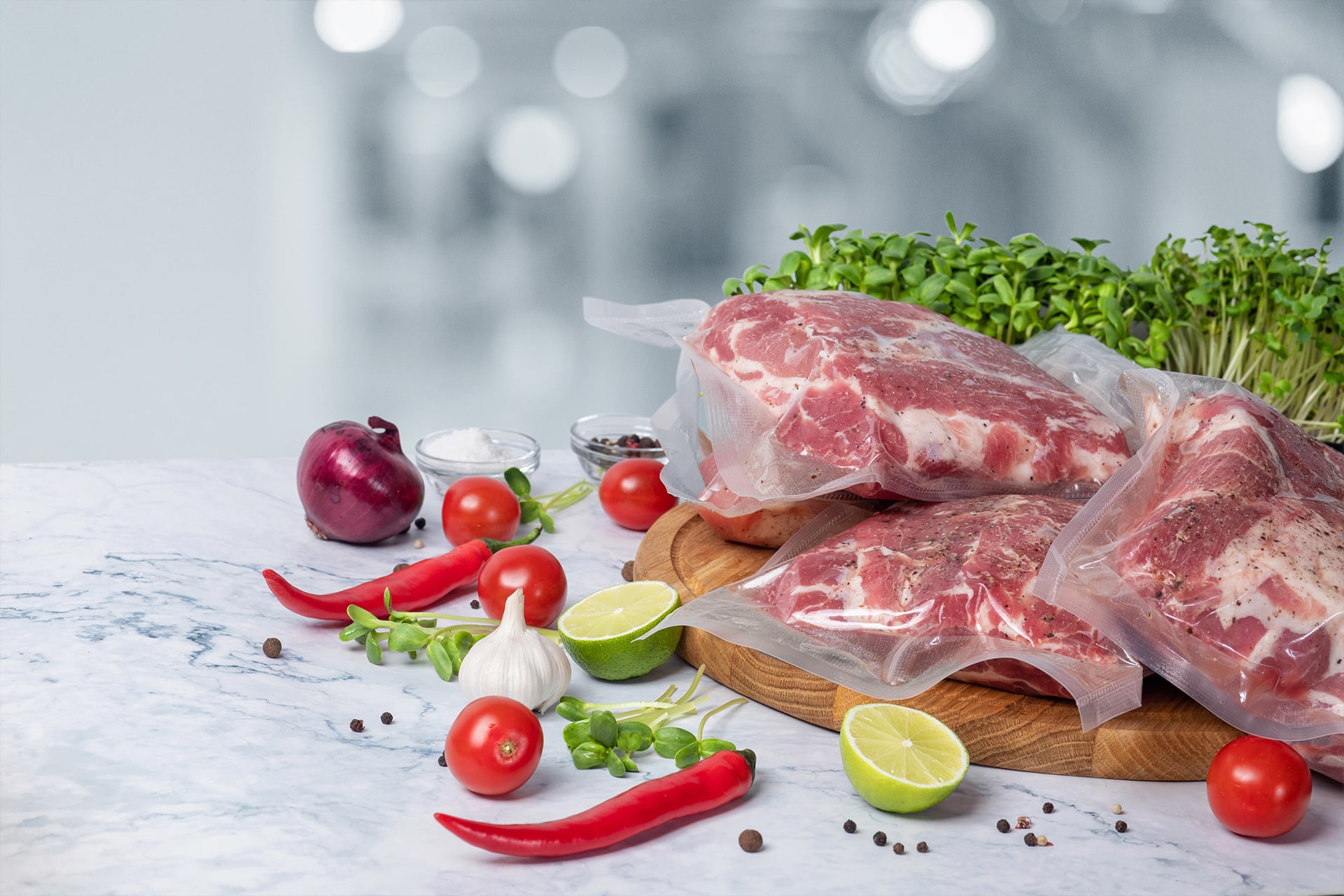
The main types of smart packaging currently used in the industry include the following:
Time-Temperature Indicators (TTI)
These track whether a product has been stored correctly.” If the cold chain is broken or the maximum storage time is exceeded, they provide a visual alert—typically through a change in color.
Freshness sensors
These detect chemical, microbiological, or gas-related changes that indicate food spoilage.
Packaging with connected technology (RFID, NFC, IoT)
These enable real-time data recording, improved traceability, and the connection of packaging to digital systems or mobile applications.
Packaging with augmented reality or interactive codes (QR, AR)
These provide additional information to the consumer, such as nutritional data, product origin, or usage recommendations.
Active packaging
Although active packaging is often considered a separate category, it is frequently combined with smart packaging. Beyond simply detecting conditions, it actively works to improve preservation by releasing antioxidants or antimicrobial agents.
Characteristics of smart packaging
Key characteristics of smart packaging include:
- Detection and monitoring capabilities.
- Functionality that goes beyond physical protection.
- The potential for consumer interaction.
- Contribution to product safety.
- Support for traceability and logistics control.
- Integration with sustainability trends and the circular economy.
Examples of smart packaging
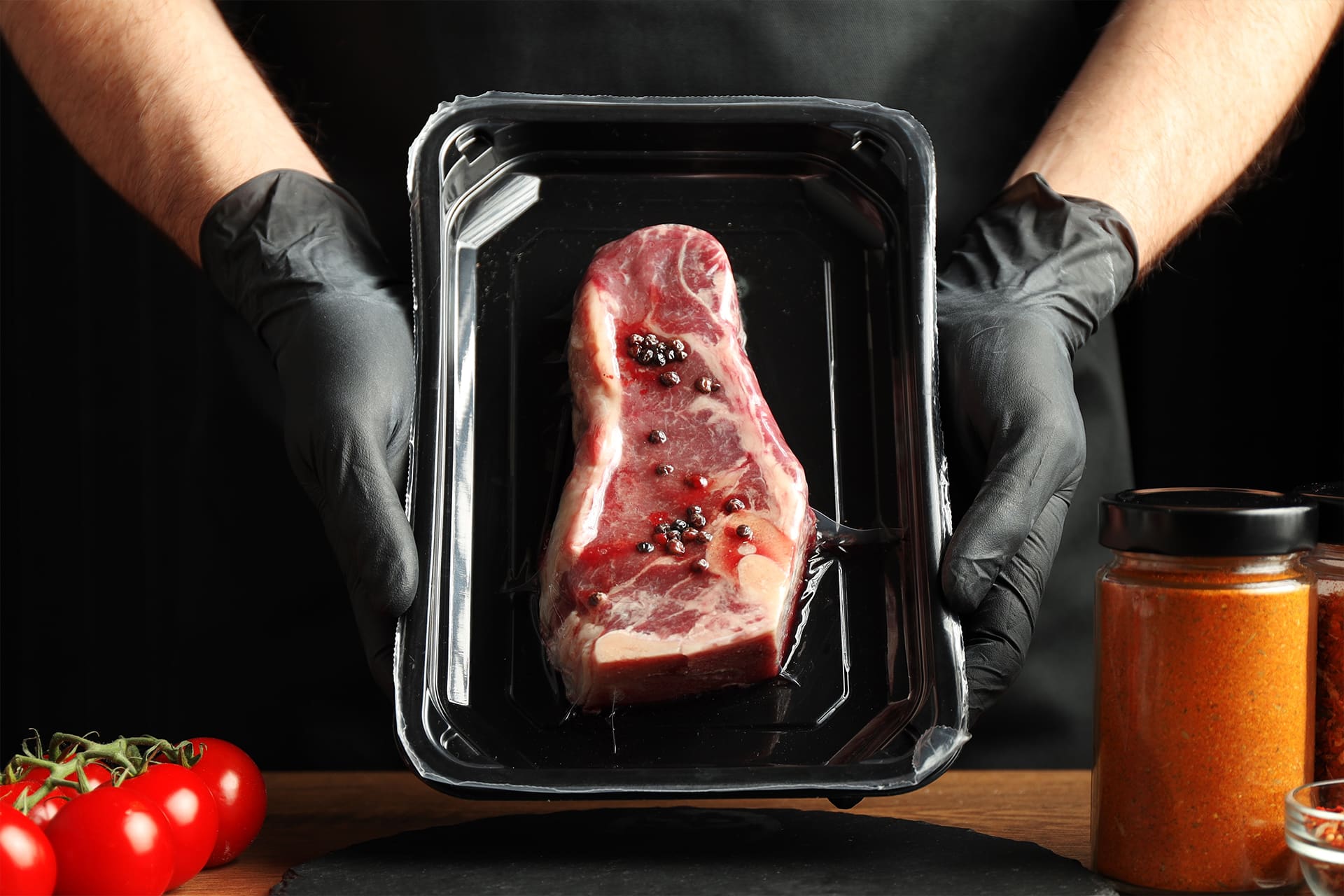
Current applications are primarily focused on the food, pharmaceutical, cosmetic, and logistics sectors. In the food industry, they help monitor expiration dates and detect spoilage before consumption. In logistics, they allow for the real-time monitoring of transport conditions. In the cosmetics and pharmaceutical sectors, they help combat counterfeiting and verify product authenticity.
An increasing number of manufacturers are choosing to combine recycled and recyclable materials with smart technologies, aiming to develop solutions that integrate efficiency, safety, and sustainability.
There are numerous examples of smart packaging already in use within the industry:
- Packaging for fresh meat featuring temperature indicators that alert to a break in the cold chain.
- Bottles with NFC labels that allow for the recording of product data or the verification of authenticity.
- Freshness sensors in packaged foods that warn of spoilage through the detection of gases.
- Medicines with RFID tags for logistics tracking, temperature monitoring, and authentication.
- Products with QR codes that provide access to detailed information and traceability.
Major companies in the food sector are already applying these technologies to certain products. In the pharmaceutical sector, their use is beginning to spread to temperature-sensitive medications or those requiring enhanced traceability.
Smart packaging for food preservation
Currently, the most significant application relates to food preservation. Smart packaging enables the detection of changes in real time, ensuring that transport and storage conditions have remained appropriate. This leads to a reduction in food waste, increased safety, and more comprehensive control over the distribution chain.
According to estimates from international organizations, approximately 30% of food is wasted due to issues with logistics management and storage. The implementation of smart packaging technologies helps to significantly reduce this figure.
Advantages and disadvantages of smart packaging
The integration of smart packaging represents a significant advancement in how products are preserved, protected, and consumed. However, as with any innovation, its implementation brings both benefits and challenges. Below, we analyze the main advantages and disadvantages of smart packaging.
Advantages
- Greater product safety and quality.
- More effective traceability throughout the supply chain.
- Waste reduction and resource optimization.
- Improved consumer experience.
- Facilitation of informed decision-making.
- Potential for integration with industrial and logistics systems.
Disadvantages
- Higher implementation costs compared to traditional packaging.
- Requirement for technological and process adaptation.
- In some cases, recyclability can be complex if sensors are not properly integrated.
- Some initial consumer resistance due to a lack of familiarity with the technology.
Beyond traditional packaging
Smart packaging represents an evolution toward a model in which the packaging is no longer a passive element, but rather an active tool—capable of anticipating problems, providing key information, and enhancing the user experience.
A new packaging trend and a different way of conceptualizing it, where technology, sustainability, and functionality combine to address the industry’s current challenges.
Related reading: What Is Active Packaging? Functions, Benefits, and Applications in Food and Flexible packaging: what it is, types and examples.
We customize your orders according to your needs.
Request a no-obligation quote for any of our products.
 REQUEST A QUOTE