
What Is Active Packaging? Functions, Benefits, and Applications in Food
In the food sector, packaging is no longer limited to merely containing and protecting a product. Thanks to advancements in materials and technologies, active packaging has become a key tool for improving preservation, ensuring safety, and providing added value to both manufacturers and consumers.
In this post, we explain what active packaging is, how it works, what its benefits are, and provide examples of active food packaging solutions already in use on the market.
What Is Active Packaging?
Active packaging is packaging that interacts directly with the product or the internal environment within the package, with the goal of extending the food’s shelf life, maintaining its quality, and enhancing food safety.
Unlike passive packaging, which acts solely as a physical barrier, active packaging plays an active role in controlling factors such as moisture, oxygen, or the growth of microorganisms.
In this context, a distinction is typically made between three types of packaging:
- Passive packaging: packaging that is limited to containing and protecting the food.”
- Active packaging: packaging that actively intervenes in the internal environment to improve preservation.”
- Intelligent packaging: packaging that provides information about the product’s condition, such as freshness or temperature indicators.
Main Functions of Active Packaging
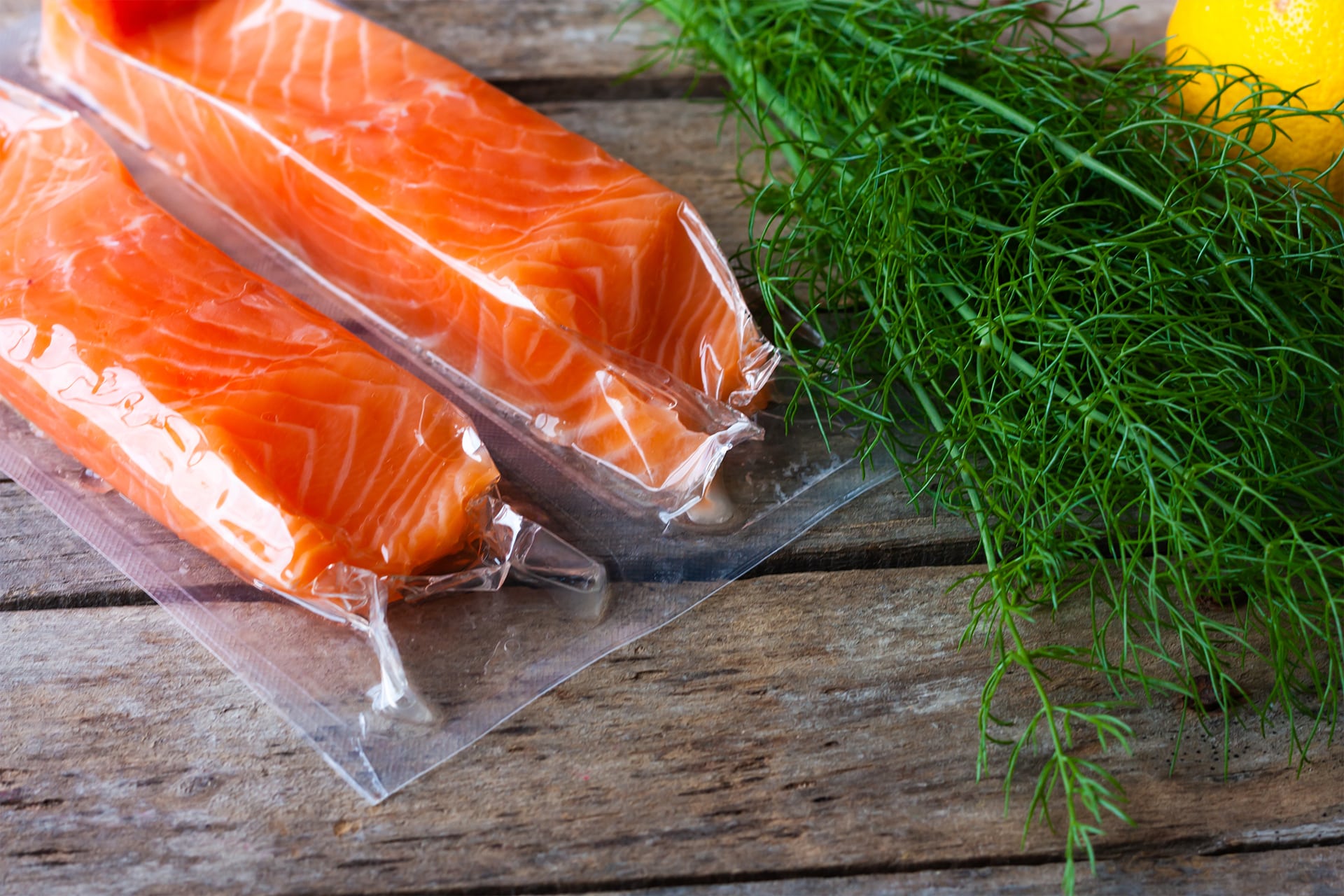
Active food packaging performs various functions that are tailored to the specific type of product. “Among the most important functions are:
Controlling humidity
Some foods—such as baked goods, snacks, or fruits—are highly sensitive to humidity.” Active packaging can incorporate absorbent systems that help maintain an optimal moisture level.
Reducing oxygen
Oxygen accelerates the oxidation of fats, causes color changes, and promotes bacterial growth. Active packaging equipped with oxygen absorbers can extend the shelf life of meat, fish, cheese, or prepared foods.
Releasing preservatives
Certain types of packaging can release antimicrobial or antioxidant compounds in a controlled manner, keeping food fresh for longer without the need to add preservatives directly to the product itself.
Neutralizing odors
Active systems may also include ethylene absorbers (highly useful for fruits and vegetables) or filters designed to neutralize unwanted odors.
Types of active packaging
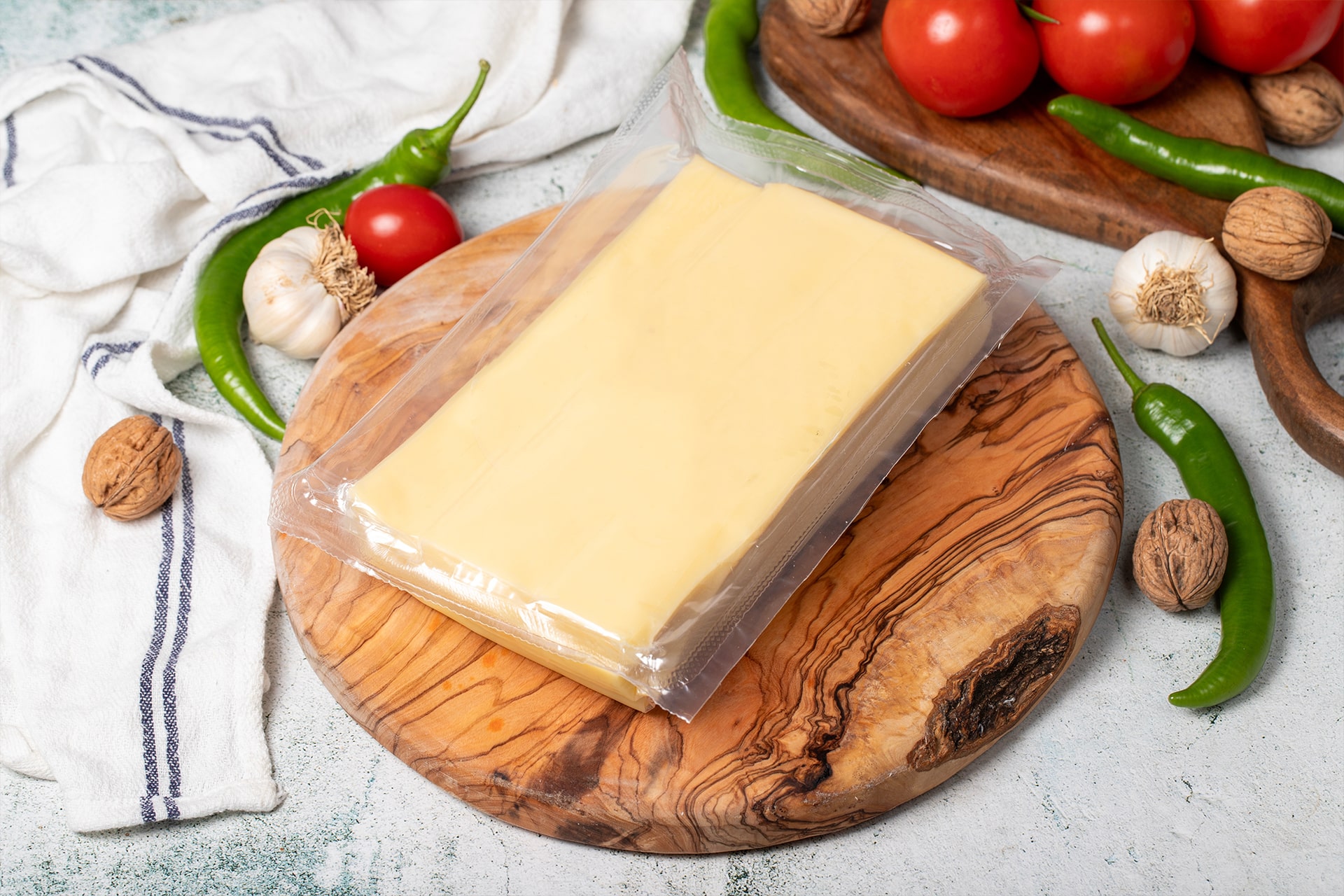
There are various types of active packaging, depending on the technology they incorporate. “The most common include:
- Oxygen absorbers.
- Humidity controllers.
- Ethylene absorbers.
- Carbon dioxide releasers.
- Packaging with antimicrobial agents.
- Antioxidant packaging.
Each type is designed to suit a specific kind of food and its unique preservation requirements.
Examples of active packaging in the food industry
Examples of active packaging are already found in many everyday products. “Some instances include:
- Fresh meat trays containing oxygen absorbers.
- Fish packaging featuring liquid-absorbent pads.
- Fruit and vegetable packaging with ethylene controllers to delay ripening.
- Snacks and nuts in packaging containing antioxidants to prevent them from going rancid.
- Cheeses and deli meats in packaging that releases natural preservatives.
These systems ensure that products reach the consumer in better condition, with greater safety, and with less food waste.
Benefits of Active Food Packaging
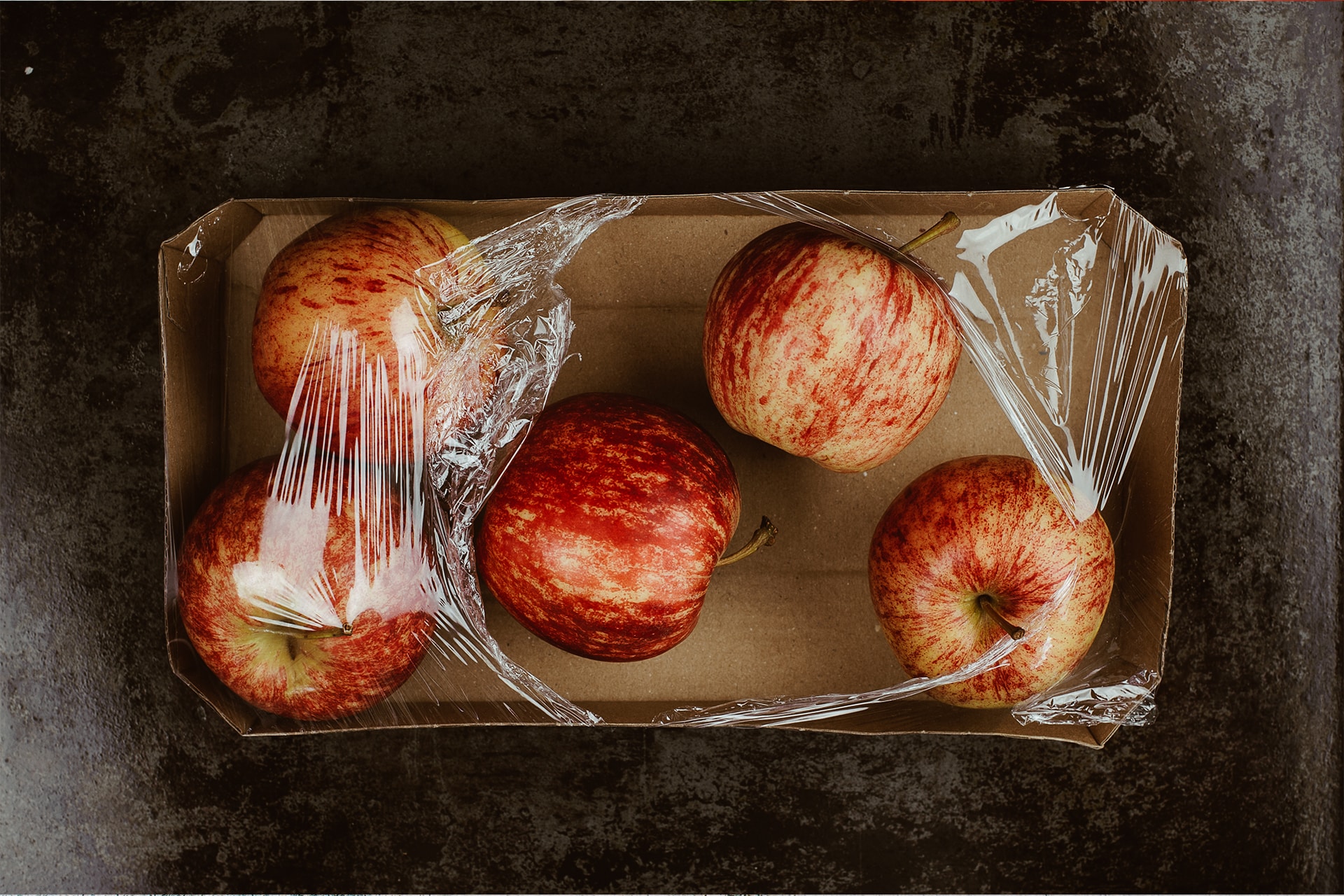
Active packaging offers advantages for both manufacturers and consumers. “These include:
- Extended shelf life: by reducing oxidation and microbial growth.”
- Reduced food waste: products remain in optimal condition for longer.”
- Enhanced food safety: by controlling critical factors such as bacterial proliferation.”
- Preservation of sensory quality: maintains the food’s color, flavor, and texture.”
- Reduction of additives: the need for preservatives added directly to the product can be limited.
Overall, active packaging represents a solution aligned with the current demand for safe, fresh, and longer-lasting food products.
Active and Intelligent Packaging: Toward the Future of Packaging
Active and intelligent packaging are often discussed together.” While the former acts directly upon the product, the latter provides information to the consumer or distributor regarding the state of the food (for example, through temperature or freshness indicators).
The trend is moving toward a combination of both technologies, creating packaging that not only extends a product’s shelf life but also provides transparency and builds consumer trust.
Applications Across Various Food Sectors
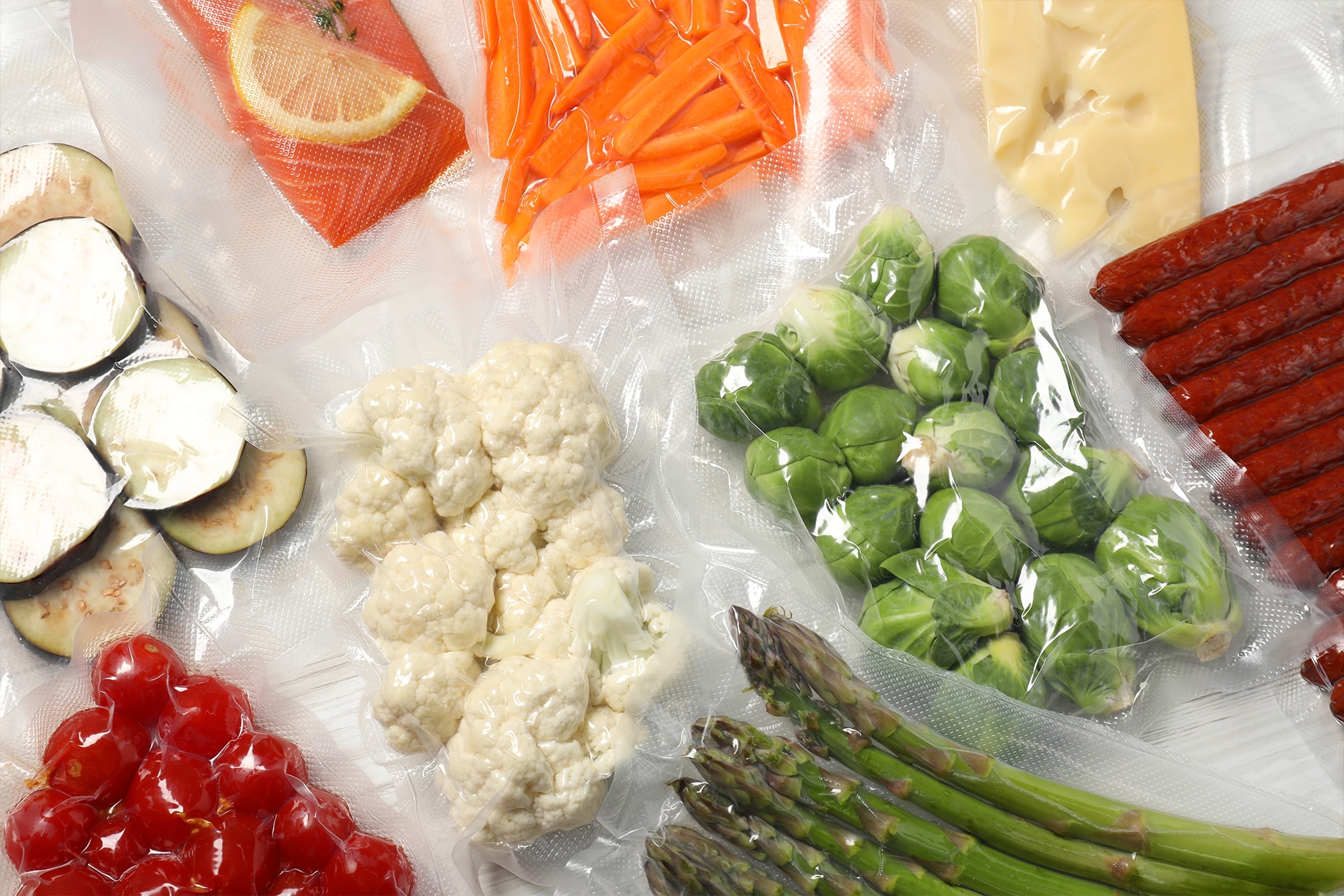
Active food packaging is applied across multiple categories:
- Fresh and frozen meat and fish.
- Fruits, vegetables, and horticultural produce.
- Cheeses, deli meats, and dairy products.
- Snacks, nuts, and bakery products.
- Prepared meals and ready-to-eat dishes.
Every sector finds in active packaging a way to improve logistics, reduce losses, and offer a more satisfying consumer experience.
Conclusion: The importance of active packaging in the food industry
Active food packaging represents a key evolution in the sector and is one of the most prominent trends in sustainable packaging.” It makes it possible to ensure freshness, safety, and sustainability, while meeting the demands of an increasingly well-informed consumer.
At Plásticos Arias, we work daily on flexible packaging solutions that align with these trends, offering sustainable, efficient, and high-quality packaging.
Related reading: Smart packaging: what it is and how it is revolutionizing the industry and Food packaging: types, benefits and industry examples.
We customize your orders according to your needs.
Request a no-obligation quote for any of our products.
 REQUEST A QUOTE