
What is greenwashing? How to spot it in sustainable packaging
In a world increasingly conscious of its environmental impact, many brands have committed to incorporating sustainable practices into their products and processes. However, not everything that glitters is green. Some companies have opted for misleading strategies to appear more sustainable than they truly are—a phenomenon known as “greenwashing.
What is greenwashing?
The term “greenwashing” is a combination of the English words “green” (referring to ecological concerns) and “whitewashing” (meaning to cover up or gloss over). It refers to a marketing strategy in which a company or product is presented as environmentally friendly when, in reality, it is not.
In other words, greenwashing is a form of deceptive advertising: sustainable qualities are exaggerated, embellished, or even fabricated to attract environmentally conscious consumers, all without any genuine commitment to sustainability.”
Greenwashing: common examples
There are many ways in which companies can—whether intentionally or unintentionally—engage in greenwashing.” “Some frequent examples include:
The use of ambiguous language
Terms like \”eco-friendly,\” \”green,\” \”natural,\” or \”planet-friendly\” lack official definitions and are not regulated in many markets.” Using them without a solid foundation can be a clear sign of greenwashing.
Absence of official certifications
An example of greenwashing is claiming that packaging is biodegradable or recyclable without having certifications or evidence to back it up. A lack of transparency is a major red flag.
Exaggerating sustainability benefits
Sometimes, companies highlight a minor improvement as if it were a radical change—for instance, reducing plastic use by 5% while advertising the result as “100% sustainable packaging.”
Dubious offsetting
Some brands claim to offset their carbon footprint by planting trees, yet they fail to specify how many, where, or how this is done. This lack of concrete detail can also be a form of greenwashing.
Greenwashing in packaging: a growing trend
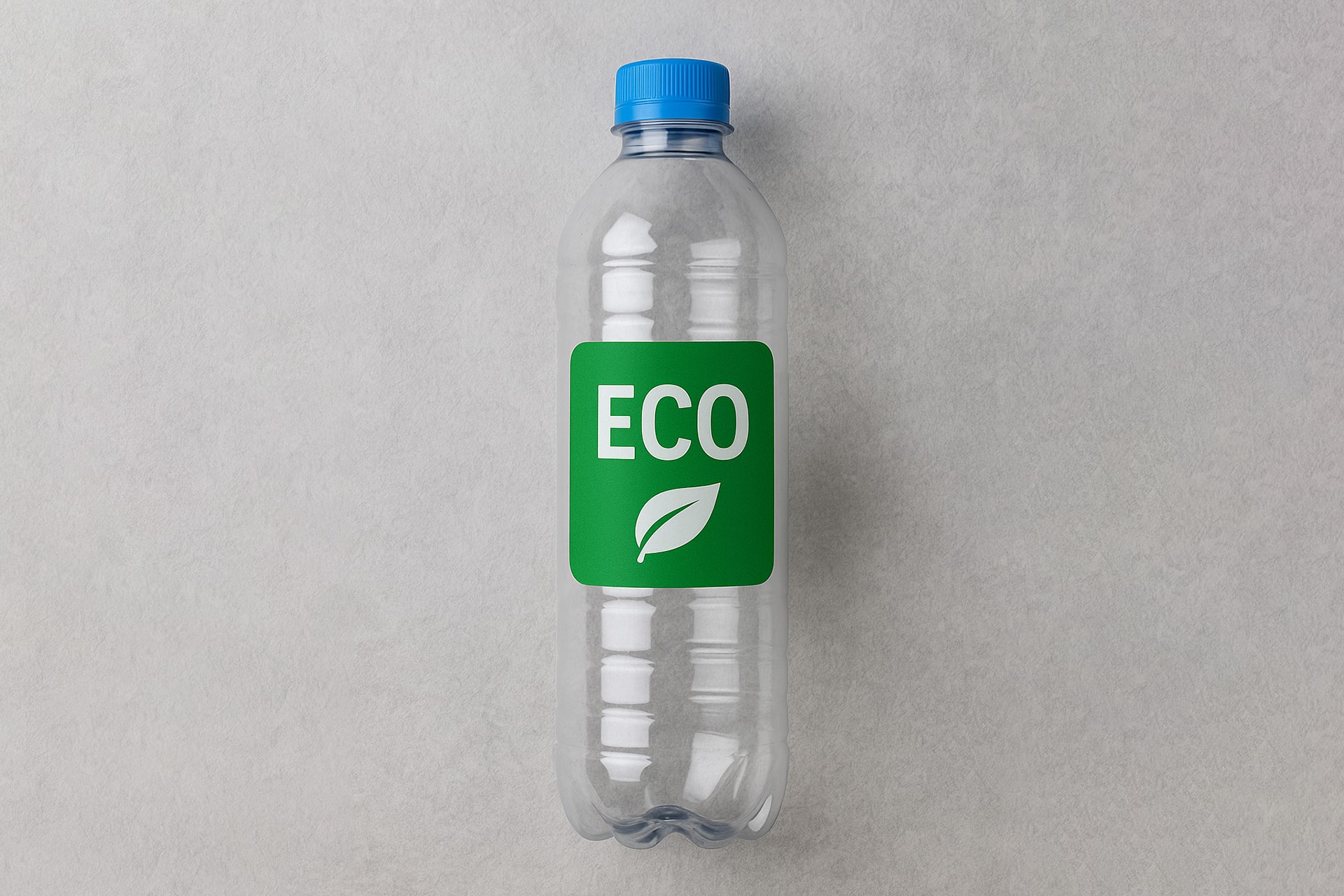
Packaging is one of the most visible elements of a product, and therefore one of the primary tools used to signal a commitment to the environment.” But how can you tell if such “sustainable” packaging is truly eco-friendly?
An increasing number of consumers consider sustainability a key purchasing criterion. In response, many companies have designed so-called “sustainable packaging” using green colors, leaf symbols, or environmental messaging—claims that, in many cases, do not reflect reality.
Common instances of greenwashing in packaging
- Unsubstantiated “green” designs: packaging featuring imagery of nature or earthy tones, despite not being made from sustainable materials.”
- Confusing labels: such as “100% recyclable,” provided without any information on how or where the material can actually be recycled.”
- Mixed materials: packaging that combines different types of plastic, or fuses cardboard with plastic, making it difficult to recycle.”
- Lack of information: products presented as sustainable without specifying to what extent they are, or providing verifiable data.
How to spot greenwashing in sustainable packaging
To avoid falling into the greenwashing trap, it is helpful to develop a critical eye—whether as consumers or as industry professionals. “Here are some keys to spotting potential deception in packaging:
Look for concrete information
Be wary of vague messages. Good sustainable packaging should clearly state what material it is made of—whether it is recyclable, compostable, biodegradable, or reusable—and under what conditions.
Check for certifications
Labels such as FSC (for paper and cardboard), OK Compost, The Blue Angel, or ISO 14001 provide genuine guarantees. The absence of such seals or certifications should raise doubts.
Analyze the entire life cycle
There are many trends in sustainable packaging, but they all agree that truly sustainable packaging reduces its impact not only during manufacturing but also during use and at the end of its life. Is it easy to recycle? Does it generate less waste? Does it extend the product’s useful life?
Evaluate overall consistency
Does the brand have a comprehensive sustainability policy, or does it merely apply isolated measures to a few products? Is its communication transparent? Does it provide information about its medium- and long-term environmental goals?
Greenwashing vs. genuine sustainability: how can you tell the difference?

The key difference between an honest sustainability strategy and greenwashing lies in transparency, consistency, and traceability. “A truly committed brand:
- Publishes sustainability reports.
- Sets measurable and verifiable goals.
- Has policies for continuous improvement.
- Invests in innovation and the use of responsible materials.
- Clearly explains what it is doing and why.
Greenwashing, by contrast, is merely about appearances, with no real substance behind it.
What can brands do to avoid greenwashing?
The pressure to appear sustainable can lead even well-intentioned companies to inadvertently engage in “greenwashing.” “To avoid this, it is important to:
- Avoid promising more than what can be substantiated.
- Collaborate with suppliers who share your commitment to sustainability.
- Opt for certified materials with a verifiable origin.
- Communicate honestly, including an explanation of any limitations.
- Train teams on sustainability to prevent errors.
Responsibility also lies with the consumer.
Spotting greenwashing in packaging is not always easy, but as consumers, we have power. Demanding transparency, staying informed before making a purchase, and supporting brands with a genuine commitment are key to driving real change.
Now that you know what greenwashing is, how it manifests in “sustainable” packaging, and what signs can help you identify it, you can make more informed decisions. As consumers, we have a role to play in the fight against superficial sustainability.
And remember: not everything that is green is truly eco-friendly.
Related reading: What does it really mean for packaging to be recyclable? (And what it does not mean) and Trends in Sustainable Packaging for 2025.
We customize your orders according to your needs.
Request a no-obligation quote for any of our products.
 REQUEST A QUOTE