
Which plastics are food-safe? Regulations and types
Not all plastics can come into contact with food. Although they may look the same at first glance, there are key differences in their composition, safety, and intended use. In this post, we explain which plastics are food-safe, what the regulations say, and which types of plastics—suitable for food preservation—are most widely used in the industry.
What is a food-safe plastic?
A food-safe plastic is one that can come into direct contact with food products without transferring substances that could pose a risk to human health or alter the food itself. “This means the material must meet three fundamental requirements:
- It must not release toxic components.
- It must not alter the taste, odor, or composition of the food.
- It must remain stable under the conditions in which it is used (temperature, humidity, etc.).
Therefore, not just any plastic container is suitable for storing food. Only those specifically designed and tested for this purpose meet safety standards.
Regulations for food-safe plastics
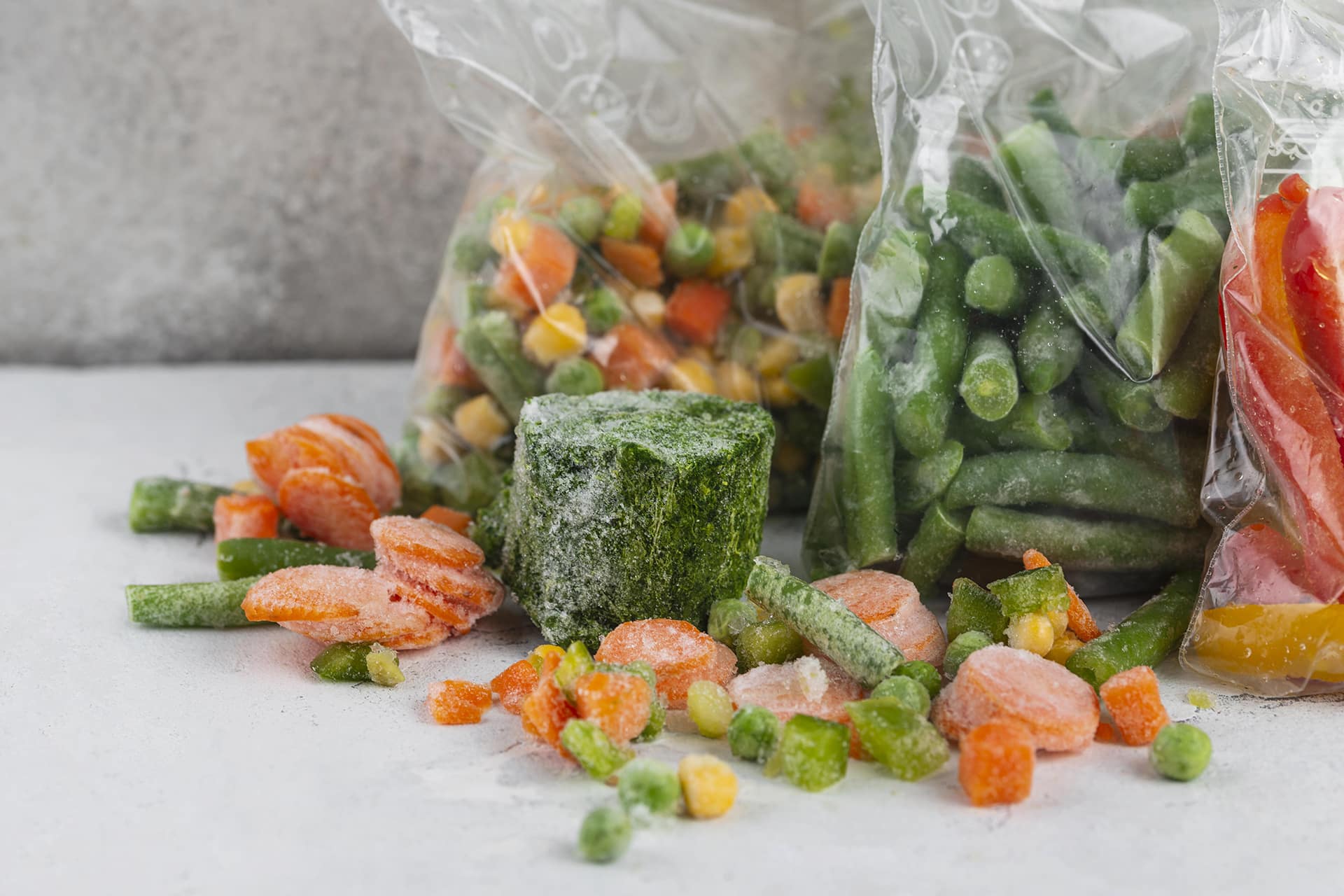
The use of plastics in the food sector is governed by strict regulations, especially in Europe.
European legislation
In the EU, bodies such as the European Food Safety Authority (EFSA) evaluate the substances used in food-contact plastics before authorizing their use. “Furthermore, plastic materials intended to come into contact with food are primarily regulated by:
- Regulation (EC) No 1935/2004: establishes general requirements for materials that come into contact with food.”
- Regulation (EU) No 10/2011: specifically regulates plastic materials.
These regulations establish limits on the migration of substances from the packaging into the food and define which components are permitted. Additionally, the materials must undergo tests that simulate actual conditions of use (temperature, duration, type of food, etc.).
Types of food-grade plastics
There are various types of food-grade plastics, each with specific properties depending on its intended use. “Below, we explain the most common ones:
PET (Polyethylene terephthalate)
This is one of the most widely used plastics for food packaging.” “Its characteristics include:
- Lightweight and durable.
- A good barrier against gases and moisture.
- Transparent.
It is primarily used for:
- Water and soft drink bottles.
- Packaging for prepared foods.
PE (Polyethylene)
Available in various densities (HDPE, LDPE), it is very common in flexible packaging. “It is characterized by being:
- Flexible.
- Chemically resistant.
- Suitable for direct contact.
Its most common uses include:
- Food bags.
- Films and wraps.
- Freezer-safe packaging.
PP (Polypropylene)
This is another one of the safest materials for food-related use, thanks to its properties:
- High thermal resistance.
- Does not release harmful substances under normal conditions.
- Lightweight and durable.
Its most common applications include:
- Reusable packaging.
- Microwaveable containers.
- Lids and trays.
PA (Polyamide)
This material is widely used in high-performance packaging and is notable for:
- High mechanical strength.
- Excellent oxygen barrier.
- Frequently used in multilayer combinations.
It is commonly used to manufacture:
- Vacuum bags.
- Packaging for meat products.
Multilayer and laminated materials
Many food packaging solutions combine various plastics to enhance their properties. “This achieves:
- High protection against oxygen, light, and moisture.
- Extended product shelf life.
Furthermore, multilayer and laminated materials are used for:
- Vacuum packaging.
- Sensitive products (meat, coffee, prepared foods).
Is recycled plastic packaging suitable for storing food?
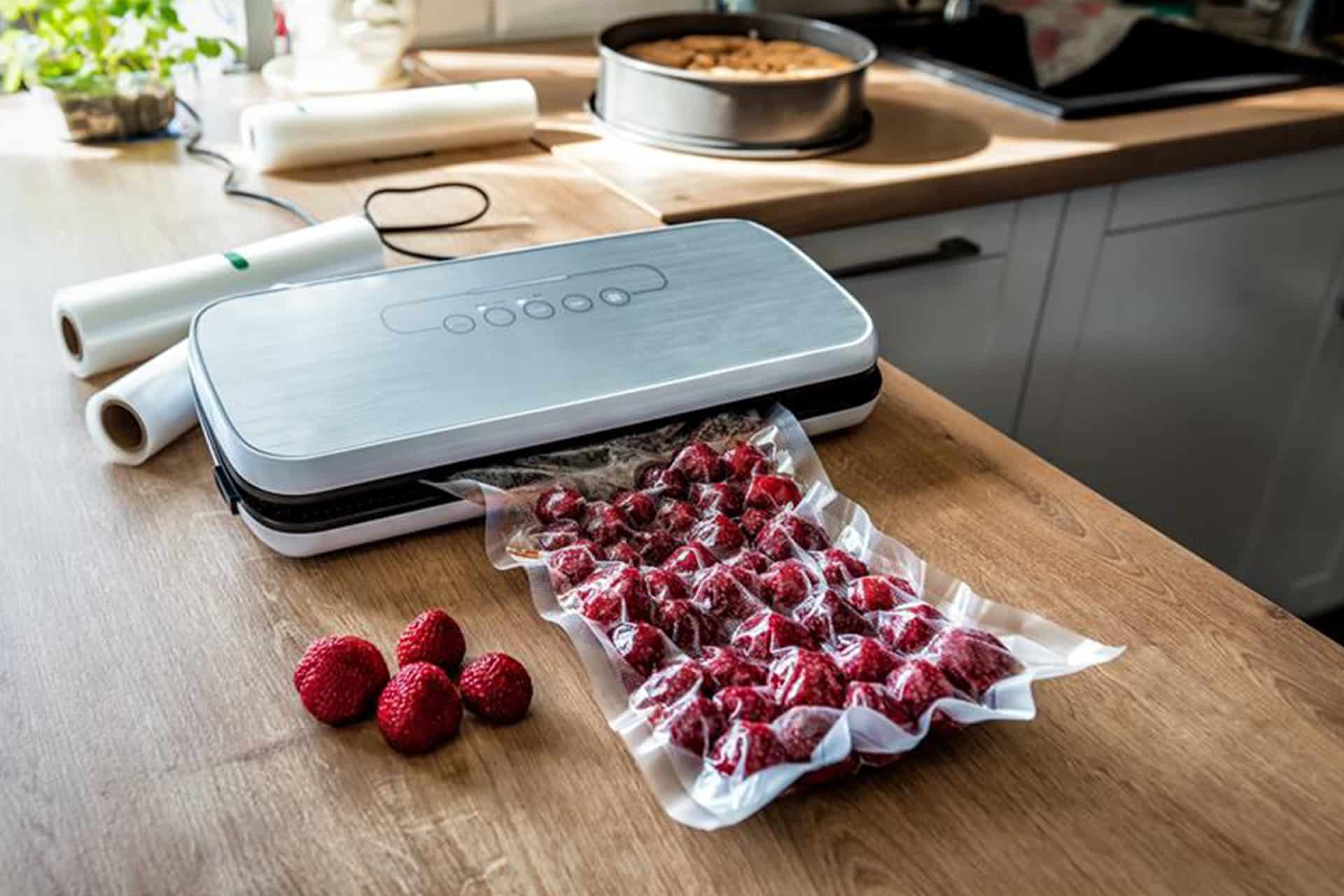
One of the most common questions is whether recycled plastic packaging is suitable for storing food. “The answer is: it depends.”
In the European Union, the use of recycled plastic in contact with food is regulated by Regulation (EU) 2022/1616, which stipulates that:
- Only recycled plastic from authorized processes may be used.
- Traceability must be guaranteed.
- Strict safety controls must be met.
How can you identify a plastic container suitable for food?
To determine whether a plastic container is suitable for food, look for:
- The glass and fork symbol: indicates that it is suitable for food contact.”
- The recycling code: helps identify the type of plastic.
- Manufacturer information.
Additionally, it is important to follow the specified conditions of use (temperature, microwave use, freezing, etc.).
Choosing the right plastic makes a difference
Selecting the appropriate food-safe plastic is not just a matter of legal compliance; it also affects product quality. “The right material helps to:
- Extend shelf life.
- Maintain organoleptic properties.
- Ensure food safety.
- Optimize transport and storage.
In industrial environments, this choice should be based on technical criteria and knowledge of the materials.
Packaging solutions tailored to every need
At Plásticos Arias, we develop packaging solutions designed to comply with current regulations and adapt to the specific needs of each product. We work with food-grade plastics that ensure safety, preservation, and efficiency, offering packaging that protects the product and adds value to your brand.
Related reading: What types of plastic are there? and Thermoplastics and Thermosets: Differences, Examples, and Industrial Applications.
We customize your orders according to your needs.
Request a no-obligation quote for any of our products.
 REQUEST A QUOTE